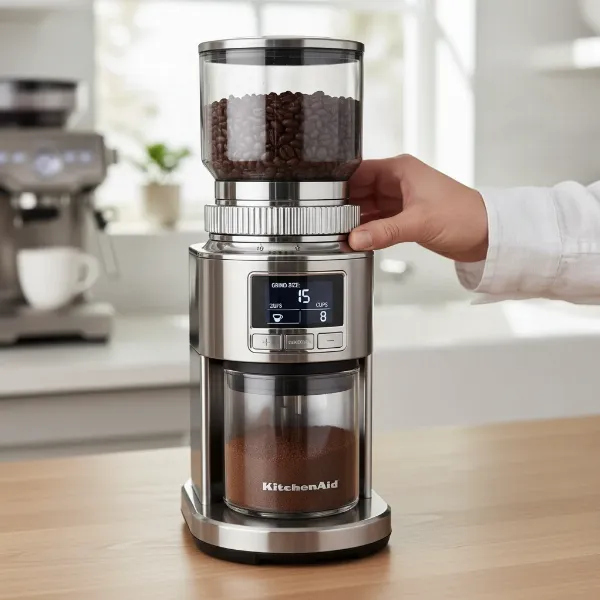
Every coffee enthusiast knows the ritual: the precise weighing of beans, the satisfying whir of the grinder, and the rich aroma that fills the air. But what if a significant portion of those precious beans never makes it into your cup? This frustrating reality is known as coffee grinder retention, and it’s silently wasting your coffee and compromising your brew. If you’ve ever wondered why your espresso shots taste inconsistent, or why you’re always short a gram or two of ground coffee, understanding retention is your first step towards a better, more efficient brewing experience.
What Exactly is Coffee Grinder Retention?
Coffee grinder retention refers to the amount of ground coffee that remains trapped within your grinder’s internal components after the grinding process is complete. Instead of flowing directly into your portafilter or collection bin, these fine particles cling to burrs, chutes, and the grinding chamber itself. This isn’t just a minor annoyance; it’s a measurable difference between the weight of whole beans you put in and the grounds you get out.
You might encounter different types of retention. “True” or “static” retention describes the coffee that consistently gets stuck in the grinder, never making it out unless physically removed. “Exchange” retention, on the other hand, occurs when older, stale grounds are eventually dislodged by fresh beans in subsequent grinding cycles. While a completely “zero retention” grinder is often an ideal, many modern single-dosing grinders strive for and achieve extremely low levels of retention, making a noticeable difference in daily brewing.
The Hidden Costs: Why Retention is Wasting Your Precious Beans
The impact of coffee retention extends far beyond simply losing a few grams of expensive beans. It directly affects the quality and consistency of your daily cup, turning what should be a delightful experience into a variable lottery.
Financial Waste: Literally Losing Your Investment
|
Our Picks for the Best Coffee grinder in 2026
As an Amazon Associate I earn from qualifying purchases.
|
||
| Num | Product | Action |
|---|---|---|
| 1 | SHARDOR Professional Conical Burr Coffee Grinder, Coffee Bean Grinder with 48 Grind Settings for Espresso, Drip & French Press, Upgraded Anti-Static Technology, Precision Timer, Stainless Steel |

|
| 2 | Hamilton Beach Custom Grind Electric Coffee Grinder for 4-14 Cups, One-Press Hand-Free Operation with Auto Shutoff, Removable Grinding Bowl For Easy Pour and Clean, Stainless Steel (80406) |
|
| 3 | Cuisinart Coffee Grinder, Electric One-Touch Automatic Burr Coffee Grinder with 18-Position Grind Selector, Cup Size Selector for 4 – 18 Cups, DBM-8P1, Black Stainless |
|
| 4 | Automatic Coffee Machine, 20-Bar Pressure Espresso Maker with Built-in Grinder, 15-Precision Settings, One-Touch Latte & Cappuccino System, Smart Self-Cleaning |
|
| 5 | BLACK+DECKER One Touch Coffee Grinder, 2/3 Cup Coffee Bean Capacity, Spice Grinder, One Touch Push-Button Control -150 Watts -Stainless Steel Blades |
|
| 6 | Wancle Electric Coffee Grinder, Spice Grinder, One Touch Coffee Mill for Beans, Spices and More, with Clean Brush Black |
|
| 7 | Cuisinart Coffee Grinder, One Touch Control Coffee Bean Grinder with Stainless Steel Bowl and Blades, 2.5 oz/70g Capacity Enough for 12 Cups, On/Off Switch with Safety Interlock, DCG-20BKN, Black |
|
| 8 | Hamilton Beach Fresh Grind Electric Coffee Grinder for Beans, Spices and More, Stainless Steel Blades, Removable Chamber, Makes up to 12 Cups, Black |
|
| 9 | OXO Brew Conical Burr Coffee Grinder - Silver, Stainless Steel Burrs, One-Touch Automatic Smart Grind |
|
| 10 | Amazon Basics Electric Coffee Grinder, Coffee Bean and Spice Grinder, With Heavy-Duty Stainless Steel Grind Blades |
|
When your grinder retains coffee, you are quite literally throwing money away. If you dose 18 grams of beans but only 17.5 grams make it out, that 0.5-gram difference, while seemingly small, adds up over time. For serious home baristas using specialty beans, this can translate into significant financial loss over weeks and months, diminishing the value of your carefully selected coffee. You buy premium beans, and you expect to enjoy every last bit.
Stale Coffee Contamination: A Flavor Saboteur
Perhaps the most significant consequence of retention is the contamination of fresh grounds with stale, oxidized coffee. Grounds left in the grinder rapidly lose their volatile aromatic compounds, becoming flat, bitter, or sour. The next time you grind, these stale particles mix with your fresh dose, introducing off-flavors that can spoil an otherwise perfect brew. Imagine baking a cake with a small portion of stale flour; the impact on the final taste is unmistakable.
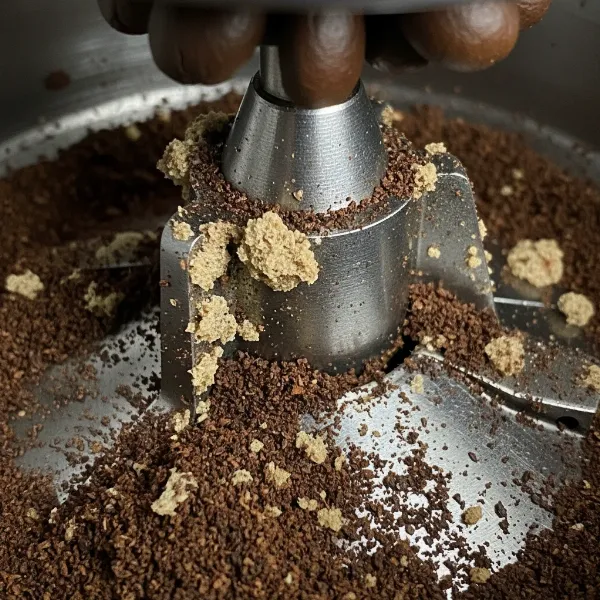 stale coffee grounds contaminating fresh coffee in a grinder chamber
Inconsistent Shots: The Enemy of Reproducibility
Consistency is the cornerstone of excellent coffee brewing, especially for espresso. High retention makes achieving this consistency incredibly difficult. If the amount of retained coffee fluctuates, your actual dose weight will vary, even if you measure your whole beans precisely. This leads to unpredictable extraction times and flavor profiles, making it nearly impossible to “dial in” your espresso or replicate that perfect shot you pulled yesterday.
Delayed Grind Adjustments: Chasing Your Ideal Setting
When you adjust your grinder’s settings, you expect an immediate impact. However, if old grounds are retained, they can momentarily dilute the effect of your new setting. For example, if you switch from a coarse grind to a finer one, some coarser particles might still be present in the chute, mixing with your new, finer grounds and affecting your initial shots. This forces you to “purge” several grams of coffee or pull multiple test shots, further contributing to waste and frustration.
Grinder Health: A Silent Killer
Over time, retained coffee grounds can build up, especially if they are oily. This accumulation can lead to clogs, reduced grinding efficiency, and even increased wear and tear on your grinder’s internal components. Regular maintenance becomes more critical, and neglecting it can shorten the lifespan of your valuable equipment, potentially leading to costly repairs or replacements.
Unmasking the Culprits: What Causes Grinder Retention?
Understanding why retention happens is key to combating it. Several factors contribute to coffee grounds getting trapped in your grinder.
Static Electricity: The Clingy Culprit
One of the primary drivers of retention, particularly in dry environments, is static electricity. As coffee beans are ground, friction between the particles and the metal or plastic components of the grinder generates an electrostatic charge. This causes the finely ground coffee particles to cling stubbornly to surfaces within the grinder, including the burrs, the grinding chamber, and the exit chute. The drier the air, the more pronounced this static effect tends to be.
Grinder Design and Geometry: Engineered for Retention (Sometimes)
The internal design of a coffee grinder plays a crucial role in retention. Some grinders, especially those with long or convoluted grinding paths, internal ledges, or wide-open burr chambers, inherently have more “dead space” where grounds can settle and get stuck. While some retention can be an intentional design element to reduce static or maintain consistent dosing in commercial, high-volume settings, it often works against the home user. Burr type also matters: some flat burr designs can have a cleaner path, while certain conical burr setups might have more areas for grounds to accumulate.
Coffee Bean Characteristics: The Oily Factor
The coffee beans themselves can influence retention. Darker roasts, for instance, tend to be oilier. These oils can coat the grinder’s internal surfaces, creating a sticky residue that encourages coffee particles to adhere, exacerbating retention. Even lighter roasts, over time, leave behind a fine layer of coffee dust and oil that can contribute to buildup if not regularly cleaned.
Grind Setting: Finer Means More Clinging
The fineness of your grind also impacts retention. Finer grinds, such as those used for espresso, have a much larger surface area and are lighter, making them more susceptible to static cling and more likely to get trapped in tight spaces. Conversely, coarser grinds for French press or pour-over generally experience less retention due to their larger particle size and less surface area for adhesion.
Practical Strategies to Minimize Coffee Retention
While some grinders are inherently better than others, there are numerous techniques you can employ to significantly reduce retention and ensure more of your valuable coffee makes it into your cup.
Regular Cleaning and Maintenance
This is arguably the most fundamental and effective step. Regularly brushing out your grinder’s burrs, chute, and hopper with a dedicated brush is essential. For a deeper clean, periodically disassemble removable parts like the burrs and grinding chamber. This removes accumulated coffee oils and stale grounds, preventing them from building up and increasing retention. Consistency is key; a quick daily brush and a more thorough weekly or monthly cleaning can work wonders.
The Ross Droplet Technique (RDT)
A favorite among single-dosing enthusiasts, the Ross Droplet Technique (RDT) is a simple yet highly effective method to combat static. Before grinding, lightly mist your whole coffee beans with one or two tiny drops of distilled water. A small spray bottle or a damp spoon handle can be used. The minimal moisture significantly reduces static electricity, allowing grounds to flow more freely and cleanly through the grinder. It’s crucial not to use too much water, as excess moisture can lead to clumping and potentially damage your grinder.
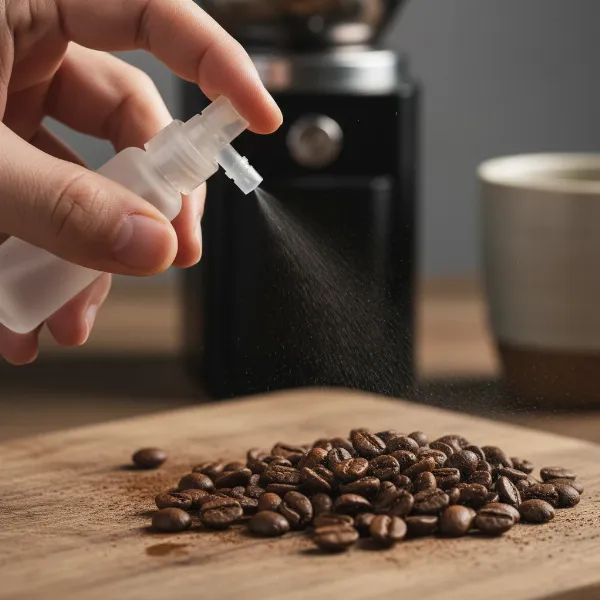 a person applying the ross droplet technique to coffee beans before grinding
Purging: Clearing the Path
Purging involves running a small amount of coffee (typically a few grams) through your grinder without the intention of brewing. This is particularly useful in two scenarios:
- Before Your First Brew: After your grinder has been sitting idle, purge a small amount to flush out any stale grounds that might have settled.
- After Grind Adjustments: If you’ve changed your grind setting, purging helps clear out grounds from the previous setting, ensuring your next dose reflects the new fineness accurately.
Addressing Grinder Design Limitations: Bellows and Knockers
Some grinders, especially those not specifically designed for single dosing, may benefit from mechanical aids. Many modern grinders now include a bellows system, a flexible air chamber that you can pump to force air through the grinder, effectively “blowing out” retained grounds. If your grinder doesn’t have one, a gentle tap on the side of the grinder or chute after grinding can sometimes dislodge clinging particles.
Optimizing Your Environment
Humidity plays a role in static electricity. In very dry climates or seasons, maintaining a moderate indoor humidity level (around 50-60%) can naturally reduce static buildup in your grinder. While not always practical, it’s an underlying factor to consider.
Single Dosing: A Proactive Approach
For many home baristas, single dosing is the ultimate solution to minimize retention. This practice involves weighing out precisely the amount of whole beans needed for a single brew and grinding only those beans, leaving the hopper empty. This ensures that every dose is as fresh as possible and minimizes the amount of coffee left to become stale within the grinder. Many grinders are now specifically designed with this workflow in mind, featuring minimal internal volume and clear grind paths.
Choosing Your Weapon Wisely: Grinders Designed for Low Retention
While techniques can help, investing in a grinder designed with low retention in mind is often the most impactful long-term solution.
Single-Dosing Grinders: Built for Precision
These grinders are specifically engineered to minimize retention. They typically feature a straight-through grind path, a minimal grinding chamber volume, and often include a bellows system or steep burr angles to ensure almost all coffee exits the grinder. Popular examples include the Niche Zero, DF64, and many hand grinders.
Burr Type and Geometry: A General Trend
While not an absolute rule, some observations suggest general trends. Many flat burr grinders, particularly those with vertical burr orientations, can offer a more direct grind path with less dead space compared to certain conical burr designs. However, advancements in conical burr grinder design have also led to excellent low-retention options. Focus on the overall design rather than just burr shape.
Anti-Static Features: Smart Engineering
Some high-end grinders incorporate active or passive anti-static features into their design. This might include specialized coatings on internal components, grounding mechanisms, or optimized materials that reduce static buildup, allowing grounds to exit cleanly without clinging.
Grind Path Design: Smooth and Direct
Look for grinders that boast a short, direct, and uncluttered grind path. The less internal volume and fewer obstacles the grounds encounter, the less opportunity there is for them to get stuck. Designs that allow for easy access to burrs for cleaning also contribute to better long-term retention management.
Expert Insights: The Big Picture of Retention
“Retention isn’t just about wasted coffee; it’s about respecting the coffee. Every gram held back is a missed opportunity for flavor and consistency, undermining the hard work of roasters and baristas alike.” – Admin, Coffeegrinderchoice.com, Coffee Grinder Technician
The battle against retention is ultimately a pursuit of quality and consistency. Whether you are aiming for the perfect espresso shot or a remarkably clean pour-over, minimizing retained grounds ensures that the coffee you taste truly reflects the quality of your beans and the precision of your brewing method. It’s about taking control of another variable in the complex art of coffee making.
Conclusion
Coffee grinder retention is an often-overlooked yet critical factor that impacts both the economic efficiency and the sensory experience of your coffee brewing. By understanding what retention is, its causes, and the various strategies to combat it, you can stop wasting precious coffee beans and elevate the flavor and consistency of every cup. From simple daily cleaning routines and the innovative Ross Droplet Technique to selecting a grinder specifically designed for low retention, you have the power to take control. Isn’t it time to ensure every gram of your coffee reaches its full potential in your mug?
Frequently Asked Questions
Is zero retention achievable in a coffee grinder?
While “zero retention” is often an aspirational term, many modern single-dosing grinders come remarkably close. They minimize retained grounds to negligible amounts (e.g., less than 0.1 gram), effectively ensuring that almost all the coffee you put in comes out fresh.
Does bean freshness affect grinder retention?
Yes, bean freshness can influence retention. Older or darker roasted beans tend to release more oils, which can coat the grinder’s internal components and create a stickier environment, increasing the likelihood of grounds clinging and contributing to retention.
How often should I clean my grinder to minimize retention issues?
For daily coffee drinkers, a quick brush of the burrs and chute after each use is highly recommended. A more thorough deep clean, involving partial disassembly, should ideally be performed weekly or bi-weekly, depending on usage and bean type, to prevent oil and fine particle buildup.
What is RDT, and does it really work?
RDT, or the Ross Droplet Technique, involves lightly misting coffee beans with a tiny amount of water before grinding. It effectively reduces static electricity generated during grinding, allowing grounds to exit the grinder more cleanly. Many home baristas find it highly effective, especially when single dosing.
Do all coffee grinders have some level of retention?
Most coffee grinders will have some degree of retention, ranging from minimal to significant. Grinders designed for continuous hopper-fed use often have more internal volume where grounds can settle. However, grinders specifically engineered for single-dosing prioritize minimizing this internal space to reduce retention.