Hey there, fellow coffee lover! Alex here, from Coffee Grinder Choice. If you’re anything like me, you know that the quest for the perfect cup of coffee is a journey, not a destination. And on that journey, the single most impactful piece of gear you can own isn’t a fancy brewer or an expensive espresso machine—it’s your grinder. As we look ahead, the landscape of Trending Coffee Grinder Models 2025 is buzzing with innovation, making it the perfect time to upgrade your setup and unlock the true potential of your beans.
Forget pre-ground coffee. The moment you grind a bean, its aromatic oils begin to oxidize, and the flavor starts to fade. Grinding fresh, right before you brew, is the secret to a cup that’s bursting with vibrant, complex flavors. It’s the difference between hearing a song on a tiny phone speaker and experiencing it in a live concert hall. This guide is your backstage pass to understanding, choosing, and loving your next coffee grinder.
Why Does a Good Coffee Grinder Matter So Much?
So, what’s the big deal? A grinder is a grinder, right? Not quite. A high-quality grinder is the foundation of good coffee because it directly controls the two most critical variables in brewing: consistency and surface area. An inconsistent grind, with both large chunks and fine dust, leads to uneven extraction. The small particles will over-extract, tasting bitter, while the large ones under-extract, tasting sour. A great grinder produces uniform particles, ensuring every bit of coffee extracts at the same rate for a balanced, delicious cup.
|
Our Picks for the Best Coffee Grinder in 2025
As an Amazon Associate, we earn from qualifying purchases.
|
||
| Num | Product | Action |
|---|---|---|
| 1 | SHARDOR Electric Burr Coffee Grinder 2.0, Adjustable Burr Mill with 16 Precise Grind Setting for 2-14 Cup, Black |

|
| 2 | TIMEMORE C5 Pro Manual Coffee Grinder Capacity 30g with CNC Stainless Steel Conical Burr - Internal Adjustable Setting,Double Bearing Positioning (C5 Pro Matte Black) |
|
| 3 | BLACK+DECKER One Touch Coffee Grinder, 2/3 Cup Coffee Bean Capacity, Spice Grinder, One Touch Push-Button Control -150 Watts -Stainless Steel Blades |
|
| 4 | Mini Manual Coffee Grinder with 40 Adjustable Settings, Portable Hand Coffee Bean Mill with 30g Capacity, Conical Burr Coffee Grinder with Crank for Travel, Camping, Office, Espresso, Pour Over, etc |
|
| 5 | Cuisinart Coffee Grinder, Electric One-Touch Automatic Burr Coffee Grinder with 18-Position Grind Selector, Cup Size Selector for 4 – 18 Cups, DBM-8P1, Black Stainless |
|
| 6 | Hamilton Beach Custom Grind Electric Coffee Grinder for 4-14 Cups, One-Press Hand-Free Operation with Auto Shutoff, Removable Grinding Bowl For Easy Pour and Clean, Stainless Steel (80406) |
|
| 7 | Burr Coffee Grinder, Adjustable Coffee Bean Grinder Electric with 14 Grinding Settings,2-12 Cups for Espresso, Drip Coffee and French Press |
|
| 8 | V6 Pro Portable Coffee Grinder Electric, 60 Grind Settings USB-C Rechargeable, 4400mAh for Espresso to Cold Brew, Wireless Rechargeable Coffee Grinders for Travel, Camping, Office |
|
| 9 | 4 IN 1 Single Serve Coffee Maker with Milk Frother and Coffee Grinder, Coffee Maker for K Cup and Ground Coffee, with 30 oz Removable Water Reservoir, 6 to 14 oz. Brew Sizes, Coffee Machine for Home |
|
| 10 | Portable Electric Coffee Grinder, Upgraded External Adjustable 40 Levels Fine to Coarse Settings, Stainless Steel Conical Burr Rechargeable and Faster Grinding for Office,Home,Camping,Travel,Black |
|
The Great Debate: Burr vs. Blade Grinders
When you start shopping, you’ll immediately encounter two main types of grinders. Understanding the difference is your first step towards coffee nirvana.
A blade grinder is essentially a small blender with a spinning blade that violently smashes coffee beans into bits. It’s inexpensive but produces a highly inconsistent grind with a mix of boulders and dust. A burr grinder, on the other hand, uses two abrasive surfaces (burrs) to crush and mill the beans into a uniform size. It’s all about precision.
Here’s a quick breakdown:
| Feature | Burr Grinder | Blade Grinder |
|---|---|---|
| Grind Mechanism | Crushes beans between two revolving burrs | Smashes beans with a spinning blade |
| Consistency | Highly consistent and uniform | Highly inconsistent and uneven |
| Control | Precise grind size settings | No real control, based on time |
| Heat Generation | Minimal, preserving flavor | High, can scorch the beans |
| Best For | All brewing methods, especially espresso | Spices, or as a last resort for coffee |
| Price | Higher initial investment | Very inexpensive |
Bottom line: If you’re serious about improving your coffee, a burr grinder is a non-negotiable investment. It’s the only way to achieve the consistency needed for a truly great brew.
How Do I Choose the Perfect Trending Coffee Grinder Model for 2025?
Choosing the right grinder can feel overwhelming, but it boils down to matching the machine to your personal coffee ritual. A great grinder is one that fits your brewing style, your budget, and your daily life. Let’s break down how to find your perfect match among the trending coffee grinder models 2025.

Start with Your Favorite Brew Method
Your brewing method dictates the required grind size, which is the most important factor in your grinder choice.
- Espresso: Requires an extremely fine and incredibly consistent grind. You’ll need a dedicated espresso grinder or a high-end all-arounder with micro-adjustments. Even a tiny variation can ruin a shot.
- Pour-Over (V60, Chemex): Needs a medium-fine grind. Consistency is key here to avoid a muddy or clogged brew bed, ensuring a clean, clear cup.
- Drip Coffee Makers: A classic medium grind is your sweet spot. Most entry-level burr grinders excel at this.
- French Press & Cold Brew: These methods require a very coarse grind to prevent sediment from passing through the filter. A grinder that produces minimal “fines” (coffee dust) at coarse settings is ideal.
Consider Your Budget
Let’s be real, price matters. Grinders can range from under fifty dollars to several thousand.
- Entry-Level ($50 – $150): Perfect for beginners diving into drip, French press, or AeroPress. You’ll get a solid conical burr grinder that’s a massive leap from a blade grinder.
- Mid-Range ($150 – $400): This is the sweet spot for most enthusiasts. You’ll find grinders capable of excellent pour-over and even entry-level espresso, with better build quality and consistency.
- Prosumer & High-End ($400+): These machines are for the dedicated home barista. They offer exceptional precision, low retention (less wasted coffee), and features tailored for perfect espresso shots.
Match Your Lifestyle: Manual vs. Electric
This choice is about convenience versus ritual.
- Electric Grinders: Fast, convenient, and perfect for busy mornings or grinding for a crowd. Just push a button and you’re ready to brew.
- Manual (Hand) Grinders: Offer incredible grind quality for the price. They’re quiet, portable (great for travel!), and provide a satisfying, hands-on ritual. Grinding your beans by hand can be a peaceful start to your day.
Key Features to Look For in 2025 Models
As technology evolves, so do coffee grinders. Here are the features that are defining the best grinders on the market today.
- Grind Settings: Look for a wide range of settings. Stepped grinders click into predefined settings, which is great for switching between brew methods. Stepless grinders offer infinite adjustments between the finest and coarsest settings, essential for dialing in the perfect espresso shot.
- Burr Material & Type:
- Conical vs. Flat Burrs: Conical burrs are common in home grinders and are great all-rounders. Flat burrs, often found in high-end and commercial grinders, are praised for producing a highly uniform grind ideal for espresso and clear pour-overs.
- Ceramic vs. Steel: Steel burrs are sharper and often preferred for their clarity in the cup. Ceramic burrs last longer and generate less heat, but can be more brittle.
- Low Retention: A hot trend for 2025 is single-dosing and low retention. This means very little ground coffee is left inside the grinder after each use. You weigh your beans, grind exactly that amount, and get it all out, ensuring maximum freshness and no stale grounds in your next brew.
- Noise Level: Some grinders sound like a jet engine taking off. Newer models are incorporating quieter motors and better insulation. If you’re an early riser with a sleeping family, this is a huge quality-of-life feature.
As Isabella Martinez, a competition-winning barista, once told me, “You can have the best beans in the world and a thousand-dollar machine, but without a consistent grind, you’re just making bitter water. The grinder is the one piece of equipment where you should never, ever compromise.”
Keeping Your Grinder Happy: Maintenance and Tips
A good grinder is an investment, so you’ll want to take care of it. Proper maintenance ensures a long lifespan and, more importantly, consistently delicious coffee.
- Regular Cleaning: Once a week, unplug your grinder, remove the hopper, and use a brush to clean out any old grounds and oils from the burrs and chute.
- Deep Cleaning: Every month or two, use grinder-specific cleaning tablets (like Grindz). They are made from food-safe materials that run through the grinder and absorb stale coffee oils. Never use water or rice to clean your burrs!
- Don’t Grind Flavored Coffee: The oils from flavored beans will coat your burrs and permanently taint the flavor of any subsequent coffee you grind. Keep a separate, inexpensive grinder for that if you must.
Common Grinding Mistakes and How to Fix Them
Even with the best gear, a few common mistakes can hold you back.
- Grinding Too Much Coffee at Once: Coffee starts going stale within minutes of being ground. Only grind what you need for the brew you’re about to make.
- Using the Wrong Grind Size: If your coffee is too sour, your grind is likely too coarse (under-extracted). If it’s too bitter, it’s probably too fine (over-extracted). Don’t be afraid to experiment!
- Ignoring Static: Especially in dry climates, static can cause coffee grounds to cling to everything. A quick spritz of water on your beans before grinding (known as the Ross Droplet Technique or RDT) can eliminate static almost completely.
Frequently Asked Questions
Q: How often should I clean my coffee grinder?
A: For best results, do a quick brush-down weekly to remove loose grounds. A deep clean with grinder-specific tablets is recommended every 1-2 months, depending on how often you use it and if you use oily, dark-roast beans.
Q: Can I really not use a blade grinder for espresso?
A: You really can’t. Espresso extraction is a high-pressure process that is extremely sensitive to grind size. The inconsistent particles from a blade grinder will cause the water to channel through the coffee puck unevenly, resulting in a shot that is simultaneously sour and bitter.
Q: What is a stepless grinder and do I need one?
A: A stepless grinder allows for infinite, tiny adjustments between the coarsest and finest settings, without “clicking” into place. You only need one if you are serious about making espresso, as it gives you the ultra-fine control necessary to perfect your shot time.
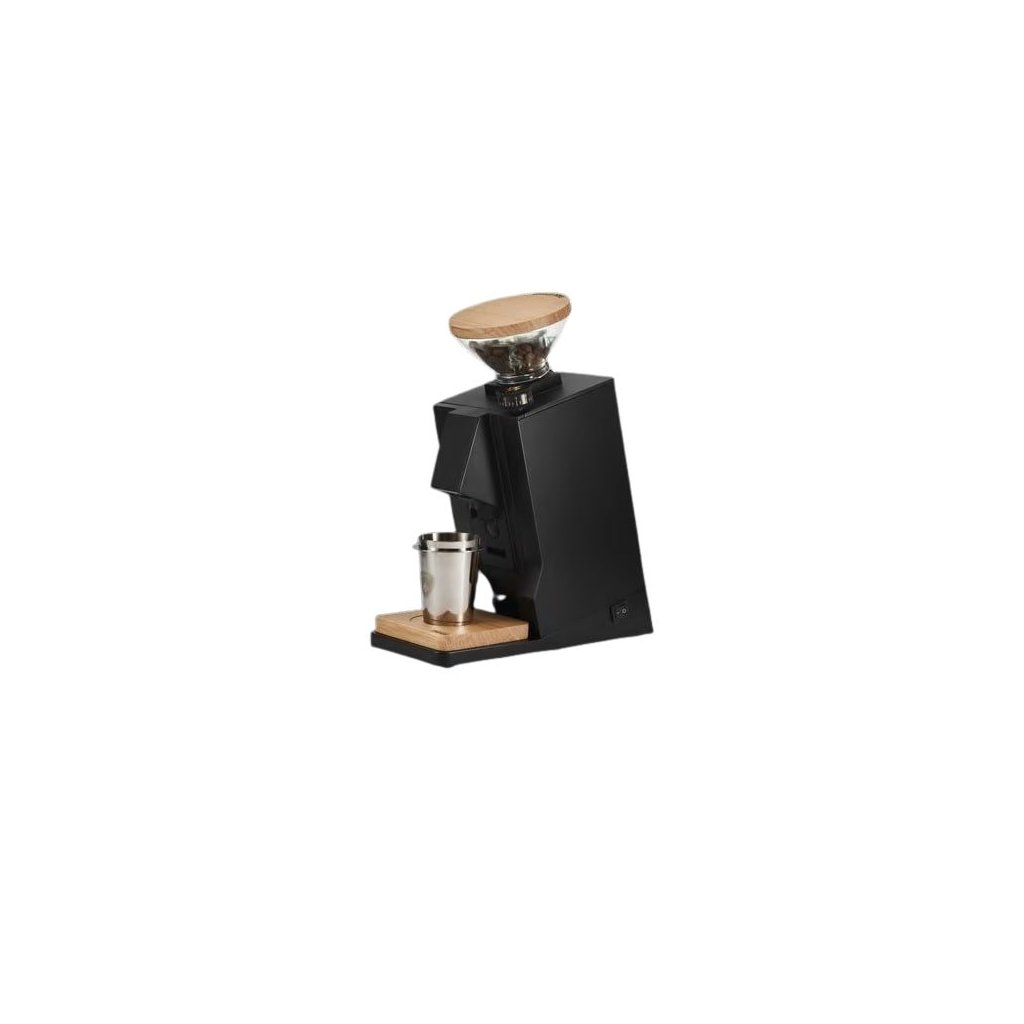
Q: Are manual grinders better than electric ones?
A: At the same price point, a manual grinder will almost always have better quality burrs and produce a more consistent grind than an electric one. The trade-off is the manual effort and time required. It’s a choice between performance-per-dollar and convenience.
Q: Why is my coffee tasting bitter even with my new burr grinder?
A: Bitterness is a classic sign of over-extraction. Your grind is likely too fine for your brewing method. Try adjusting your grinder to a coarser setting, one step at a time, until you find the sweet spot where the flavor is balanced and rich.
Your Journey to Better Coffee Starts Now
Investing in a quality grinder is the single biggest step you can take to elevate your daily coffee ritual. It’s the gatekeeper to all the amazing flavor locked inside your favorite beans. By understanding the fundamentals and choosing from the excellent trending coffee grinder models 2025, you’re not just buying a piece of kitchen equipment; you’re empowering yourself to brew coffee that is consistently, astonishingly good.
What’s your go-to grinder, or which one are you dreaming of? Share your experiences in the comments below! Happy brewing.