Hey there, fellow coffee lover! Alex here, from Coffee Grinder Choice. Let’s talk about a situation I know all too well: you’re away from home, maybe in a hotel with questionable room service or waking up to a beautiful sunrise at a campsite. You crave a genuinely good cup of coffee, but all you have is stale, pre-ground stuff. It’s a tragedy, right? This is exactly why a proper Travel Coffee Grinder Review is so crucial for anyone who refuses to compromise on their brew, no matter where they are. Forget settling for mediocre coffee on your adventures. We’re here to find you a portable powerhouse that will transform your travel coffee game forever.
So, Why Does a Good Coffee Grinder Really Matter on the Go?
You might be thinking, “Is it really worth the space in my bag?” Let me answer that with a resounding YES. The moment coffee beans are ground, they start to lose their flavor and aroma at an incredible rate. Oxygen is the enemy of fresh coffee, and pre-ground coffee is basically a wide-open invitation for it to come in and wreak havoc.
Grinding your beans right before you brew is the single most impactful thing you can do to improve your coffee’s taste. Think of it like a fresh apple versus one that was sliced hours ago. The sliced apple is brown, a bit mushy, and has lost that crisp, vibrant flavor. Coffee is no different. A portable grinder ensures that every cup you brew, whether on a mountaintop or in a motel room, is as fresh and flavorful as the one you make in your own kitchen.
|
Our Picks for the Best Coffee Grinder in 2025
As an Amazon Associate, we earn from qualifying purchases.
|
||
| Num | Product | Action |
|---|---|---|
| 1 | SHARDOR Electric Burr Coffee Grinder 2.0, Adjustable Burr Mill with 16 Precise Grind Setting for 2-14 Cup, Black |

|
| 2 | 4 IN 1 Single Serve Coffee Maker with Milk Frother and Coffee Grinder, Coffee Maker for K Cup and Ground Coffee, with 30 oz Removable Water Reservoir, 6 to 14 oz. Brew Sizes, Coffee Machine for Home |
|
| 3 | Portable Electric Coffee Grinder, Upgraded External Adjustable 40 Levels Fine to Coarse Settings, Stainless Steel Conical Burr Rechargeable and Faster Grinding for Office,Home,Camping,Travel,Black |
|
| 4 | Burr Coffee Grinder, Adjustable Coffee Bean Grinder Electric with 14 Grinding Settings,2-12 Cups for Espresso, Drip Coffee and French Press |
|
| 5 | BLACK+DECKER One Touch Coffee Grinder, 2/3 Cup Coffee Bean Capacity, Spice Grinder, One Touch Push-Button Control -150 Watts -Stainless Steel Blades |
|
| 6 | Cuisinart Coffee Grinder, Electric One-Touch Automatic Burr Coffee Grinder with 18-Position Grind Selector, Cup Size Selector for 4 – 18 Cups, DBM-8P1, Black Stainless |
|
| 7 | Hamilton Beach Custom Grind Electric Coffee Grinder for 4-14 Cups, One-Press Hand-Free Operation with Auto Shutoff, Removable Grinding Bowl For Easy Pour and Clean, Stainless Steel (80406) |
|
| 8 | Mini Manual Coffee Grinder with 40 Adjustable Settings, Portable Hand Coffee Bean Mill with 30g Capacity, Conical Burr Coffee Grinder with Crank for Travel, Camping, Office, Espresso, Pour Over, etc |
|
| 9 | V6 Pro Portable Coffee Grinder Electric, 60 Grind Settings USB-C Rechargeable, 4400mAh for Espresso to Cold Brew, Wireless Rechargeable Coffee Grinders for Travel, Camping, Office |
|
| 10 | TIMEMORE C5 Pro Manual Coffee Grinder Capacity 30g with CNC Stainless Steel Conical Burr - Internal Adjustable Setting,Double Bearing Positioning (C5 Pro Matte Black) |
|
The Big Grinder Showdown: Burr vs. Blade
When you start looking at grinders, you’ll see two main types: burr and blade. It’s not just a technical detail; it’s the difference between a great cup and a disappointing one.
Blade grinders work like a blender. A spinning blade essentially smashes the beans into smaller pieces. The problem? It’s chaotic. You end up with a mix of large chunks and fine dust, an inconsistent mess that leads to uneven extraction. Some parts of your coffee will be under-extracted (sour), and others will be over-extracted (bitter).
Burr grinders, on the other hand, are the gold standard. They use two abrasive surfaces, or burrs, to crush and grind the beans into a uniform size. You get a consistent, even grind every single time, which is the key to a balanced and delicious cup of coffee. For travel, this consistency is a non-negotiable.
Here’s a quick breakdown:
| Feature | Burr Grinder | Blade Grinder |
|---|---|---|
| Grind Method | Crushes beans between two revolving burrs | Smashes beans with a spinning blade |
| Consistency | Very consistent and uniform particles | Highly inconsistent (dust and boulders) |
| Flavor Result | Balanced, nuanced, and full-bodied | Often bitter, sour, or muddled |
| Control | Precise control over grind size | Very little to no control |
| Best For | Anyone serious about good coffee | Spices, or as a last resort |
As my friend Isabella Rossi, a world-class barista and gear consultant, always says, “You can have the best beans in the world and the most expensive brewer, but if your grind is inconsistent, you’re just making fancy, bitter water. The grinder is the foundation of your entire brew.”
How to Choose the Perfect Grinder for Your Travels
Finding the right grinder isn’t one-size-fits-all. The best choice for a backpacker is different from what a business traveler might need. Let’s dig into this travel coffee grinder review by breaking down what matters most for you.

What’s Your Brew Method?
Your preferred brewing method is the biggest factor. Different methods require different grind sizes to shine.
- AeroPress & Pour-Over (V60, Kalita): These methods thrive on precision. You’ll want a high-quality manual burr grinder with plenty of adjustment steps (or even better, stepless adjustment). This allows you to dial in the perfect medium-fine to medium grind for a clean, flavorful cup.
- French Press & Cold Brew: These are more forgiving and require a coarse grind. Most decent travel grinders can handle this, but you still want a burr grinder to avoid too many “fines” (coffee dust) that can make your brew muddy.
- Moka Pot & Portable Espresso Makers: This is where things get serious. Espresso requires a very fine, consistent grind. Not all travel grinders are up to this task. If you’re an espresso-on-the-go fanatic, you’ll need to invest in a premium manual grinder specifically designed for fine grinding.
What’s Your Travel Style?
How you travel directly impacts what you should carry.
- The Ultralight Backpacker: Every ounce counts. You’ll be looking for grinders made with lightweight materials like durable plastics or aluminum. Compactness is key, so models that fit inside an AeroPress are a huge bonus.
- The Car Camper or Van-Lifer: Weight is less of an issue, so you can opt for a more robust, larger-capacity grinder made of stainless steel. You might even consider a compact electric burr grinder if you have a power source.
- The Hotel Hopper/Business Traveler: You need something sleek, durable, and easy to pack. A high-quality stainless steel hand grinder looks the part and can withstand being knocked around in a suitcase.
Key Features to Look for in a Travel Coffee Grinder
Once you’ve narrowed down your needs, here are the specific features to compare.
- Grind Settings: Look for a grinder with easily adjustable settings. Stepped adjustments click into place, which is simple and repeatable. Stepless adjustments offer infinite control between settings, which is ideal for dialing in espresso.
- Burr Material & Size: Ceramic burrs are rust-proof and hold their edge well, but they can be brittle. Steel burrs are more durable and often provide a faster, more aggressive grind. Larger burrs generally grind faster and more consistently.
- Capacity: How many cups are you brewing at once? Most travel grinders hold between 15-30 grams of beans, perfect for one or two cups. If you’re brewing for a group, you might need to grind in batches or find a larger model.
- Build Quality & Materials: A grinder is an investment. Look for models made from stainless steel, high-grade aluminum, or BPA-free plastics. A solid build means it will last for years of adventures.
- Ergonomics & Ease of Use: How does it feel in your hand? Is the handle comfortable? A smooth grinding motion without too much effort is what you’re after. I’ve used some grinders that feel more like an arm workout than a morning ritual.
Pro Tips: Using and Maintaining Your Grinder
You’ve got the perfect grinder. Now what? Here’s how to keep it in top shape.
- Dial It In at Home: Before you leave, experiment with your grinder and your travel brewer. Find the perfect grind setting so you’re not fumbling around on your first morning away.
- Clean It Regularly: Coffee oils can build up and go rancid, affecting the taste of your coffee. Disassemble your grinder and give the burrs a good brush-down every few weeks. Avoid using water on steel burrs unless the manufacturer says it’s okay.
- Don’t Wash with Soap: Soap can leave a residue that you’ll taste in your next cup. A stiff brush and a dry cloth are usually all you need. For a deeper clean, you can grind up some special grinder-cleaning pellets or even plain, uncooked white rice (check your manual first!).
- Store It Properly: Keep it in a protective pouch to prevent dings and scratches and to keep any stray grounds from getting all over your bag.
Frequently Asked Questions (FAQ)
Here are some common questions I get about travel coffee grinders.
What is the best type of travel coffee grinder?
The best type is a manual burr grinder. It offers the best balance of grind consistency, portability, and durability without needing electricity. It gives you complete control over your grind size, which is essential for a great-tasting cup of coffee anywhere.
Can you take a coffee grinder on a plane?
Yes, you can. Coffee grinders are generally permitted in both carry-on and checked luggage. However, since manual grinders are made of metal and have mechanical parts, a TSA agent might want to take a closer look. I recommend putting it in an easily accessible part of your carry-on bag.
How important is grind consistency for travel brewing?
It is just as important as it is at home. Inconsistent grinds lead to uneven extraction, resulting in a cup that is both sour and bitter. A consistent grind ensures that all the coffee grounds extract at the same rate, giving you a balanced, sweet, and delicious brew, even when you’re far from home.
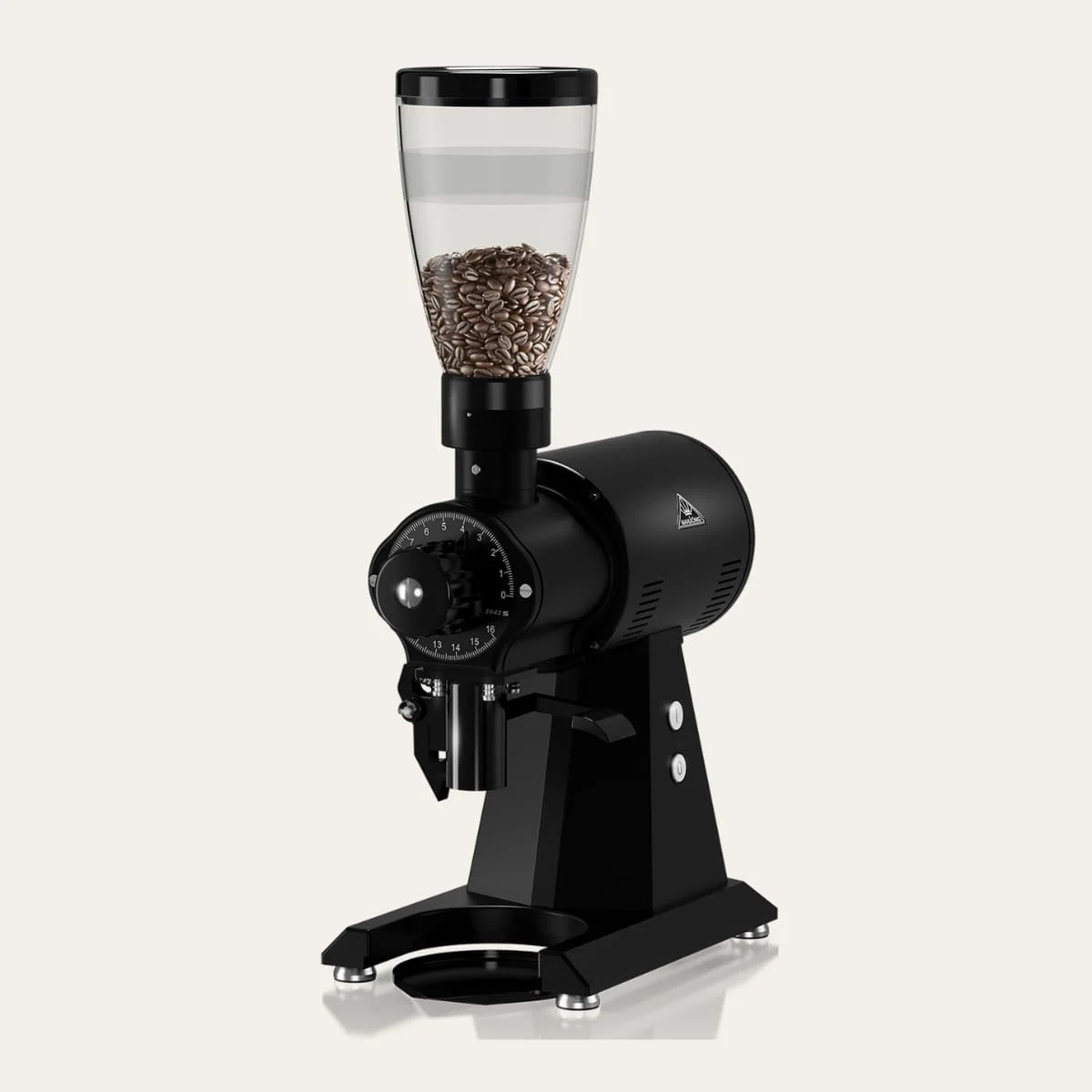
Are electric travel coffee grinders any good?
Some compact electric burr grinders can be a good option for car camping or if you’re sure you’ll have access to power. However, they are typically heavier, bulkier, and less durable than their manual counterparts. For true portability and reliability, manual is the way to go.
How much should I spend on a travel coffee grinder?
You can find decent entry-level manual burr grinders for around $50-$80. For a premium model with superior build quality, steel burrs, and exceptional grind consistency (especially for espresso), expect to spend upwards of $150. It’s an investment in countless great cups of coffee on the road.
Your Adventure Awaits, and So Does Great Coffee
Let’s wrap this up. Investing in a quality portable grinder isn’t an indulgence; it’s a declaration that you value a great coffee experience, no matter your location. It’s about unlocking the full potential of your coffee beans and starting your day, wherever you are, with a moment of pure, uncompromised satisfaction. This travel coffee grinder review is your starting point to finding that perfect travel companion.
Now, I’d love to hear from you. What’s your go-to travel coffee setup? Share your favorite grinder or any road-brewing experiences in the comments below! Happy travels, and even happier brewing.