Hey there, fellow coffee lover. Alex here, from Coffee Grinder Choice. If you’re reading this, you’ve probably discovered one of the greatest secrets to a mind-blowingly good cup of coffee: grinding your beans fresh. And you’ve chosen the path of the purist—the manual grinder. There’s something deeply satisfying about it, isn’t there? That tactile connection to your morning ritual. But to truly unlock its potential, knowing how to use a manual coffee grinder properly is non-negotiable. It’s the difference between a good cup and an unforgettable one.
Let’s be honest, that first attempt can sometimes be… less than perfect. Maybe your French press was sludgy, or your pour-over tasted weak. Don’t worry, we’ve all been there. My goal today is to walk you through everything, from the basic mechanics to the pro tips that will elevate your grinding game. Think of me as your personal coffee coach. Ready to transform those beautiful beans into the perfect foundation for your brew? Let’s get into it.
Why Does a Good Grind Even Matter?
Before we dive into the “how,” let’s quickly touch on the “why.” Why are we so obsessed with the grind? It all comes down to one word: extraction.
Coffee brewing is simply the process of using water to extract flavor compounds from ground coffee. The size of your coffee grounds determines the total surface area the water can interact with.
- Too coarse? The water flows through too quickly, not extracting enough flavor. You get a weak, sour, and unsatisfying cup. This is called under-extraction.
- Too fine? The water struggles to get through, pulling out too much flavor, including the bitter, unpleasant ones. This is called over-extraction.
A good grinder, used correctly, produces consistent particle sizes, giving you even extraction and a balanced, delicious cup of coffee, every single time. It’s the single biggest upgrade you can make to your coffee setup.
|
Our Picks for the Best Coffee Grinder in 2026
As an Amazon Associate, we earn from qualifying purchases.
|
||
| Num | Product | Action |
|---|---|---|
| 1 | BLACK+DECKER One Touch Coffee Grinder, 2/3 Cup Coffee Bean Capacity, Spice Grinder, One Touch Push-Button Control -150 Watts -Stainless Steel Blades |

|
| 2 | Cuisinart Coffee Grinder, Electric One-Touch Automatic Burr Coffee Grinder with 18-Position Grind Selector, Cup Size Selector for 4 – 18 Cups, DBM-8P1, Black Stainless |
|
| 3 | Mini Manual Coffee Grinder with 40 Adjustable Settings, Portable Hand Coffee Bean Mill with 30g Capacity, Conical Burr Coffee Grinder with Crank for Travel, Camping, Office, Espresso, Pour Over, etc |
|
| 4 | Portable Electric Coffee Grinder, Upgraded External Adjustable 40 Levels Fine to Coarse Settings, Stainless Steel Conical Burr Rechargeable and Faster Grinding for Office,Home,Camping,Travel,Black |
|
| 5 | TIMEMORE C5 Pro Manual Coffee Grinder Capacity 30g with CNC Stainless Steel Conical Burr - Internal Adjustable Setting,Double Bearing Positioning (C5 Pro Matte Black) |
|
| 6 | SHARDOR Electric Burr Coffee Grinder 2.0, Adjustable Burr Mill with 16 Precise Grind Setting for 2-14 Cup, Black |
|
| 7 | Hamilton Beach Custom Grind Electric Coffee Grinder for 4-14 Cups, One-Press Hand-Free Operation with Auto Shutoff, Removable Grinding Bowl For Easy Pour and Clean, Stainless Steel (80406) |
|
| 8 | 4 IN 1 Single Serve Coffee Maker with Milk Frother and Coffee Grinder, Coffee Maker for K Cup and Ground Coffee, with 30 oz Removable Water Reservoir, 6 to 14 oz. Brew Sizes, Coffee Machine for Home |
|
| 9 | V6 Pro Portable Coffee Grinder Electric, 60 Grind Settings USB-C Rechargeable, 4400mAh for Espresso to Cold Brew, Wireless Rechargeable Coffee Grinders for Travel, Camping, Office |
|
| 10 | Burr Coffee Grinder, Adjustable Coffee Bean Grinder Electric with 14 Grinding Settings,2-12 Cups for Espresso, Drip Coffee and French Press |
|
First Things First: Understanding Your Manual Grinder
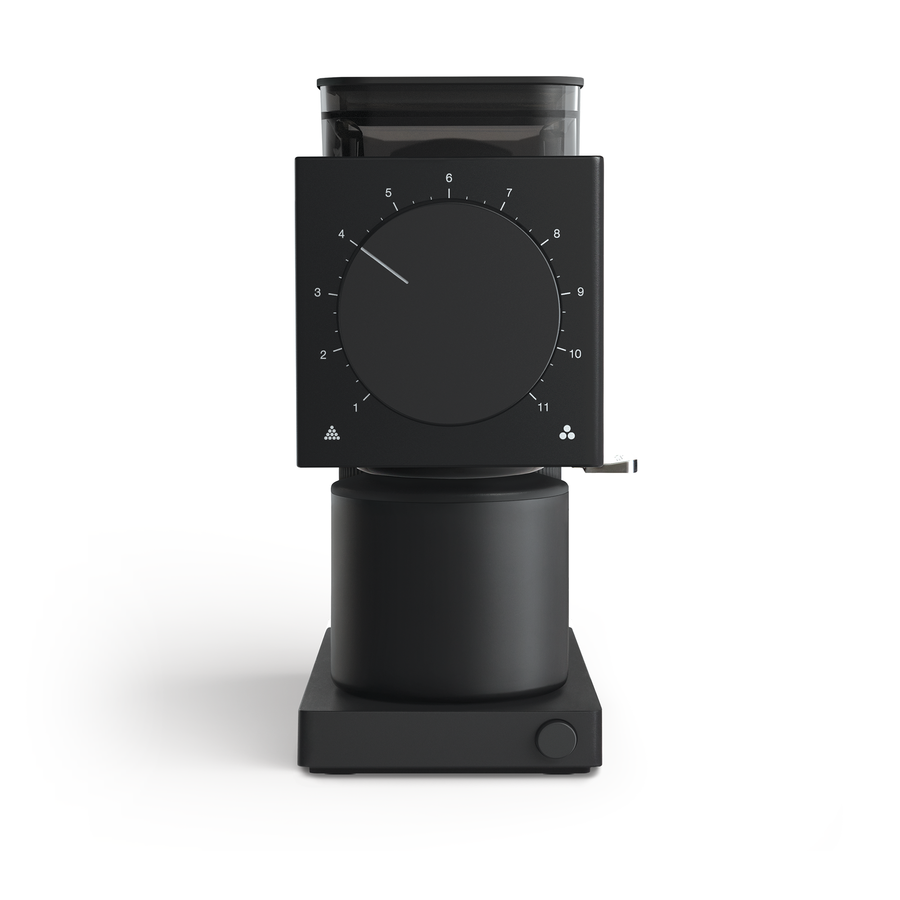
A manual coffee grinder might seem simple, but knowing its parts helps you understand how to use it effectively. Most models share a similar anatomy:
- The Handle (or Crank): This is what you turn to power the grinding action.
- The Lid: Keeps your precious beans from flying out while you’re grinding.
- The Hopper: The chamber at the top where you load your whole beans.
- The Burr Set: This is the heart of the grinder. It consists of two interlocking pieces (one stationary, one rotating) that crush and grind the beans. The vast majority of quality manual grinders use conical burrs, which are fantastic for consistency.
- The Grind Adjustment Mechanism: Usually a knob or dial located either above or below the burrs. This is how you control the distance between the burrs, and thus, your grind size.
- The Grounds Catcher (or Chamber): The container at the bottom that collects your freshly ground coffee.
Familiarizing yourself with these parts, especially the grind adjustment, is the first step in mastering your grinder.
The Step-by-Step Guide: How to Use a Manual Coffee Grinder Properly
Alright, let’s get our hands dirty. Here is the fundamental process. Follow these steps, and you’ll be well on your way to a perfect grind.
- Measure Your Beans: Don’t just guess! Use a coffee scale for accuracy. A good starting point for most brewing methods is a ratio of 1:15 to 1:17 (that’s 1 gram of coffee for every 15-17 grams of water). For a single 12-ounce mug, you’ll need about 20-22 grams of coffee beans. Using a scale ensures you can repeat your results day after day.
- Load the Hopper: Pop the lid off and pour your measured beans into the hopper. It’s a simple step, but make sure not to overfill it beyond the grinder’s capacity.
- Set Your Grind Size: This is the most crucial step. If your grinder is new, you’ll need to “dial it in.” Start by turning the adjustment knob all the way until it stops (the “zero point” where the burrs are touching). Never grind at this setting. From there, you’ll back it off, counting the clicks or rotations to find your desired coarseness.
How Do I Find the Right Grind Size?
Finding the perfect grind size for your brew method is key. Here’s a general guide to get you started. Think of these as starting points; you’ll want to fine-tune from here based on taste.
- Extra Coarse (like cracked peppercorns): Ideal for Cold Brew.
- Coarse (like coarse sea salt): The classic setting for a French Press.
- Medium-Coarse (like rough sand): Great for a Chemex or other large-format pour-overs.
- Medium (like table salt): Your go-to for automatic drip coffee makers and some single-cup pour-overs like the V60.
- Medium-Fine (finer than table salt): Perfect for an AeroPress or Moka Pot.
- Fine (like powdered sugar): Primarily for espresso. Most manual grinders can achieve this, but it takes time and effort!
Pro Tip: Write down your settings! Once you find the perfect number of clicks for your French press, jot it down in a notebook or on your phone. This saves you from having to rediscover it every morning.
- Get a Grip and Start Grinding: Place the grinder on a stable surface. Hold the body firmly with one hand and attach the handle to the top. Begin turning the handle clockwise at a steady, consistent pace. Don’t try to go too fast; a smooth, even rhythm will produce a more consistent grind. You’ll feel the beans catching and crushing, and soon, you’ll be greeted by that incredible aroma.
- Transfer and Brew: Once the handle spins freely with no resistance, you’re done! All your beans have been ground. Unscrew the grounds catcher, give it a gentle tap on the side to settle any grounds clinging to the walls, and transfer your fresh coffee to your brewer. Brew immediately for the best possible flavor.
Pro Tips for a Flawless Grind Every Time
You’ve mastered the basics of how to use a manual coffee grinder properly, but let’s take it a step further. These little tricks can make a big difference.
- Reduce Static Cling: Coffee grounds can be prone to static, making a mess. A pro-level trick is the Ross Droplet Technique (RDT). Simply spritz your beans with a tiny amount of water (one or two sprays from a small atomizer is plenty) and shake them before loading them into the hopper. This virtually eliminates static.
- “Season” Your New Grinder: A brand-new grinder sometimes produces a slightly inconsistent grind for the first few batches. It’s a good idea to grind a small handful of old or inexpensive beans through it first to “season” the burrs.
- Listen to Your Grinder: As you use it more, you’ll become familiar with its sounds. A change in sound could indicate a problem, like a loose burr or a foreign object.
“A manual grinder forces you to be present in the coffee-making process. The goal isn’t speed; it’s consistency. A steady, even pace as you turn the crank translates directly to a more uniform grind and a cleaner, more articulate cup of coffee.” – Isabella Rossi, Barista and Equipment Technician
Common Mistakes to Avoid (And How to Fix Them)
It’s easy to fall into a few bad habits. Here are the most common ones I see and how to steer clear of them.
- Mistake #1: Not Cleaning It: Old coffee oils and fine particles build up over time, which will go rancid and make your fresh coffee taste stale and bitter.
- The Fix: Brush out your grinder after every few uses and do a deeper clean every month or so.
- Mistake #2: Adjusting the Grind with Beans Inside: Trying to tighten the burrs (make the grind finer) when beans are already between them can put immense stress on the adjustment mechanism and the burrs themselves, potentially causing damage.
- The Fix: Always empty the hopper before making a major grind size adjustment.
- Mistake #3: Storing It Assembled and Dirty: Leaving grounds in the catcher and burrs exposes them to air, causing them to go stale faster and contribute off-flavors to your next brew.
- The Fix: At a minimum, dump out any excess grounds and brush the burrs clean before storing.
Frequently Asked Questions (FAQ)
Q: How long does it take to manually grind coffee?
A: It depends on the grinder’s quality, the grind setting, and the amount of coffee. For a typical 20-gram dose for a pour-over, it can take anywhere from 30 to 90 seconds. Finer settings, like for espresso, will take longer.
Q: Can I use a manual coffee grinder for espresso?
A: Yes, absolutely! Many high-end manual grinders are specifically designed for espresso and offer the micro-adjustments needed to dial in a perfect shot. However, it requires more time and physical effort than grinding for other methods.
Q: What is the best way to clean my manual grinder?
A: For a quick clean, use a stiff brush and an air blower (like one for a camera lens) to remove loose grounds. For a deep clean, disassemble the grinder according to the manufacturer’s instructions and wipe the parts with a dry cloth. Avoid using water on steel or ceramic burrs unless specified by the maker.
Q: Why are my coffee grounds inconsistent?
A: This could be due to a few factors. It might be a lower-quality grinder with burr wobble, or you might be grinding with an inconsistent, jerky motion. Ensure the burrs are clean and try to maintain a steady, smooth cranking speed.
Q: Is a more expensive manual grinder really worth it?
A: Generally, yes. A higher price often means better build quality, premium materials (like steel burrs instead of ceramic), more precise adjustment mechanisms, and better burr alignment. This all leads to a faster, more consistent, and more enjoyable grinding experience. If you’re serious about your coffee, investing in a quality grinder is one of the best decisions you can make. Check out [our guide to the best manual coffee grinders] for some top recommendations.
Your Journey to Better Coffee Starts Now
There you have it. The complete guide on how to use a manual coffee grinder properly. It’s more than just a tool; it’s an invitation to slow down, to engage your senses, and to take complete control over the final taste in your cup. By following these steps and paying attention to the details, you’re not just making coffee—you’re crafting an experience.
Now, I’d love to hear from you. What’s your favorite manual grinder? Do you have any tips or tricks that have changed your coffee game? Share your experiences in the comments below! Happy grinding.