Imagine waking up, eager for that perfect cup of coffee, only to find your precious beans have lost their vibrant aroma and rich flavor. It’s a common disappointment, but one that’s entirely avoidable with the right storage techniques. Your morning ritual, and indeed your entire day, hinges on the freshness of your coffee beans, and understanding how to protect them is key to unlocking their full potential. This guide will walk you through the essential steps and expert tips to ensure every brew is as delicious as the roaster intended.
Understanding Coffee Freshness: The Enemies of Flavor
To truly keep your coffee beans fresh, you must first understand what causes them to lose their quality. Four primary elements are the greatest adversaries of coffee flavor: oxygen, moisture, light, and heat.
Oxygen initiates the oxidation process, which breaks down the flavorful compounds in coffee, leading to a stale, flat taste. Think of how a cut apple turns brown – coffee undergoes a similar chemical change when exposed to air. This is why minimizing air contact is paramount.
Moisture is another significant threat. Coffee beans are hygroscopic, meaning they readily absorb moisture from their surroundings. This absorption can dilute the oils and aromas responsible for coffee’s complex taste, often leading to a bland or musty flavor. Humidity is coffee’s silent enemy.
Light, particularly direct sunlight and UV rays, can degrade the delicate chemical compounds within coffee beans. This degradation accelerates the staling process and can impart an unpleasant, often bitter taste to your brew.
Heat also plays a critical role in diminishing freshness. High temperatures accelerate the release of aromatic compounds and oils, causing the coffee to go stale much faster. Consistent, cool temperatures are vital for preservation.
Lastly, time is an undeniable factor. Even under ideal conditions, coffee naturally degrades after roasting. While proper storage can significantly slow this process, freshly roasted beans are always best within a few weeks of their roast date.
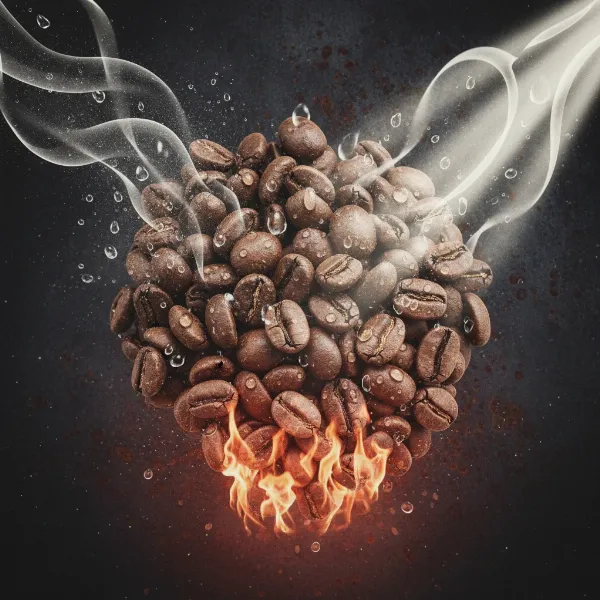 Illustration of factors that degrade coffee flavor: oxygen, moisture, light, and heat affecting coffee beans.
The Best Ways to Store Your Coffee Beans
Protecting your coffee beans from their natural enemies requires a combination of thoughtful choices regarding containers, environment, and purchasing habits. Embrace these best practices to safeguard your coffee’s flavor.
Airtight Containers are Non-Negotiable
|
Our Picks for the Best Coffee grinder in 2026
As an Amazon Associate I earn from qualifying purchases.
|
||
| Num | Product | Action |
|---|---|---|
| 1 | Hamilton Beach Fresh Grind Electric Coffee Grinder for Beans, Spices and More, Stainless Steel Blades, Removable Chamber, Makes up to 12 Cups, Black |

|
| 2 | Cuisinart Coffee Grinder, Electric One-Touch Automatic Burr Coffee Grinder with 18-Position Grind Selector, Cup Size Selector for 4 – 18 Cups, DBM-8P1, Black Stainless |
|
| 3 | Cuisinart Coffee Grinder, One Touch Control Coffee Bean Grinder with Stainless Steel Bowl and Blades, 2.5 oz/70g Capacity Enough for 12 Cups, On/Off Switch with Safety Interlock, DCG-20BKN, Black |
|
| 4 | Hamilton Beach Custom Grind Electric Coffee Grinder for 4-14 Cups, One-Press Hand-Free Operation with Auto Shutoff, Removable Grinding Bowl For Easy Pour and Clean, Stainless Steel (80406) |
|
| 5 | Automatic Coffee Machine, 20-Bar Pressure Espresso Maker with Built-in Grinder, 15-Precision Settings, One-Touch Latte & Cappuccino System, Smart Self-Cleaning |
|
| 6 | Amazon Basics Electric Coffee Grinder, Coffee Bean and Spice Grinder, With Heavy-Duty Stainless Steel Grind Blades |
|
| 7 | Wancle Electric Coffee Grinder, Spice Grinder, One Touch Coffee Mill for Beans, Spices and More, with Clean Brush Black |
|
| 8 | OXO Brew Conical Burr Coffee Grinder - Silver, Stainless Steel Burrs, One-Touch Automatic Smart Grind |
|
| 9 | SHARDOR Professional Conical Burr Coffee Grinder, Coffee Bean Grinder with 48 Grind Settings for Espresso, Drip & French Press, Upgraded Anti-Static Technology, Precision Timer, Stainless Steel |
|
| 10 | BLACK+DECKER One Touch Coffee Grinder, 2/3 Cup Coffee Bean Capacity, Spice Grinder, One Touch Push-Button Control -150 Watts -Stainless Steel Blades |
|
The first line of defense against oxygen and moisture is an effective airtight container. These containers create a barrier that prevents external air from reaching your beans and keeps internal aromas locked in.
When selecting a container, opaqueness is just as important as an airtight seal. Ceramic or metal canisters are often recommended by experts because they block out light completely, which clear glass or plastic cannot do effectively. Many premium coffee canisters feature vacuum-sealed lids or one-way valves that allow naturally occurring carbon dioxide (known as “degassing” from freshly roasted beans) to escape without letting oxygen in. While an airtight plastic or glass jar is better than an unsealed bag, they are best used if stored inside a dark cabinet.
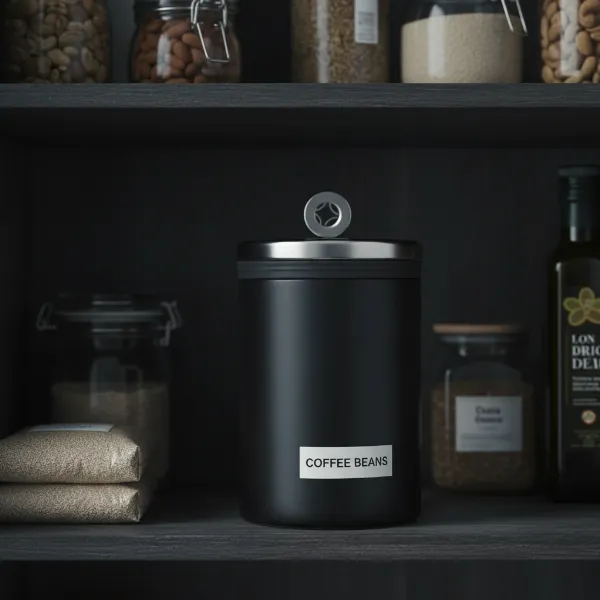 An opaque, airtight coffee canister designed for optimal bean storage, protecting against light and air.
Choose a Cool, Dark, and Dry Environment
Location is critical. Your coffee beans will thrive in a cool, dark, and dry place. Aim for a consistent room temperature, ideally between 50°F and 70°F (16°C and 21°C).
Avoid storing coffee on your countertop, especially if it’s near a window where it can be exposed to direct sunlight. Similarly, keep your coffee away from heat-emitting appliances like ovens, dishwashers, or even above the refrigerator, as fluctuating temperatures can quickly degrade the beans. A pantry or a cabinet that is not adjacent to heat sources is usually the ideal spot.
Whole Beans vs. Ground Coffee: Grind as Needed
This is one of the most impactful tips for maximizing freshness. Whole coffee beans retain their flavor and aroma significantly longer than ground coffee. Once beans are ground, their surface area increases dramatically, exposing more of the coffee to oxygen and accelerating the staling process.
Many coffee professionals emphasize that ground coffee can go stale within minutes of grinding. Therefore, invest in a quality burr grinder and grind only the amount of coffee you intend to brew immediately before use. This simple change alone can dramatically elevate your coffee experience.
Smart Buying Habits for Optimal Freshness
Even the best storage can’t make old beans taste fresh. Your purchasing habits play a crucial role in maintaining quality.
Buy Fresh, Buy Small: Always look for the roast date on coffee packaging. Aim to purchase freshly roasted beans and buy only what you expect to consume within one to two weeks. This minimizes the time your beans spend exposed to air once opened, even in an airtight container.
Retail Packaging: While many specialty coffee bags come with one-way valves and zip seals, they aren’t always ideal for long-term storage once opened. Consider transferring beans from these bags into a dedicated airtight, opaque container after opening to ensure maximum protection.
Common Coffee Storage Mistakes to Avoid
Even with the best intentions, some common storage practices can inadvertently ruin your coffee. Knowing what to avoid is as important as knowing what to do.
The Refrigerator is Not Your Friend
It might seem intuitive to store perishable items in the fridge, but coffee beans are a notable exception. Coffee is porous and acts like a sponge, readily absorbing moisture, food odors, and tastes from its environment. Storing beans in the refrigerator can expose them to fluctuating temperatures when the door is opened and closed, leading to condensation and moisture absorption. This often results in coffee that tastes like last night’s dinner.
Don’t Keep Coffee on the Countertop
While aesthetically pleasing glass jars of coffee beans might look great on your kitchen counter, they are a recipe for rapid flavor loss. Countertops are typically exposed to varying room temperatures and ambient light, both of which are detrimental to coffee freshness. Unless your container is completely opaque and kept in a dark corner, the countertop is a poor choice.
Avoid Pre-Grinding Large Batches
The convenience of pre-ground coffee is undeniable, but it comes at a significant cost to flavor. Grinding coffee ahead of time exposes its vast surface area to oxygen, leading to rapid oxidation and the swift degradation of aromatic compounds. The vibrant, complex flavors you seek will dissipate quickly, leaving you with a dull, less satisfying brew.
“The true magic of coffee lies in its volatile aromatic compounds. Once those are gone, so is the soul of your brew. Proper storage isn’t just a recommendation; it’s a reverence for the bean.” – Admin, Coffeegrinderchoice.com
When to Consider Freezing Coffee Beans (Advanced Tip)
While generally advised against for daily use, freezing can be a viable option for long-term storage, especially if you buy in bulk or want to preserve rare beans. However, it must be done correctly to prevent freezer burn and moisture damage.
To freeze coffee beans successfully, divide them into small, single-use portions. Place these portions in truly airtight, opaque, freezer-safe bags or containers, ensuring as much air as possible is removed. Freeze them only once; avoid thawing and refreezing, as this causes damaging condensation. When you’re ready to use them, take out a single portion and let it come to room temperature before opening the container to prevent condensation from forming on the beans. This method can preserve freshness for several months, though some experts still note a slight flavor degradation over very long periods.
Conclusion
Mastering how to store coffee beans is a simple yet transformative step in your journey to better coffee. By understanding the detrimental effects of oxygen, moisture, light, and heat, and by implementing best practices such as using airtight, opaque containers, choosing cool and dark storage spots, and grinding just before you brew, you can significantly extend the life and vibrancy of your beans. Avoid common pitfalls like refrigeration and pre-grinding, and consider freezing only for truly long-term needs with careful execution.
Ultimately, your commitment to proper storage ensures that every cup you pour is a testament to the rich, aromatic potential hidden within each bean. What small change will you make today to improve your coffee storage?
Frequently Asked Questions
How long do coffee beans stay fresh?
Freshly roasted whole coffee beans, stored properly in an airtight, opaque container in a cool, dark place, typically retain optimal freshness for about 1-3 weeks after opening. Unopened, vacuum-sealed bags can last much longer, often until their “best by” date or around 90 days from the roast date for peak flavor.
Can I store coffee beans in the fridge?
Generally, it is not recommended to store coffee beans in the refrigerator. Coffee beans are porous and can easily absorb moisture and odors from other foods, leading to a diminished and sometimes unpleasant flavor profile in your brew.
What is the best container for coffee beans?
The best containers for coffee beans are airtight and opaque, made from materials like ceramic, metal, or specialty vacuum-sealed canisters. These materials block out light and prevent air and moisture from compromising the beans’ quality.
Should I buy whole bean or ground coffee for freshness?
For maximum freshness and flavor, always opt for whole bean coffee. Grinding beans increases their surface area exponentially, causing them to oxidize and lose their volatile aromatic compounds much more rapidly than whole beans.
Does freezing coffee beans work?
Freezing coffee beans can be effective for long-term storage (several months) if done correctly. Beans should be divided into small, single-use portions, sealed in airtight, opaque freezer-safe containers, and thawed to room temperature before opening to prevent condensation. Avoid frequent thawing and refreezing.