Unlocking the full flavor potential of your dishes often starts with freshly ground spices. While dedicated spice grinders exist, many home cooks eye their versatile coffee grinder as a convenient alternative. It’s a tempting thought: one appliance to handle both your morning brew and your evening curry. But can your coffee grinder truly pull double duty, and more importantly, how do you ensure your next cup of coffee doesn’t taste like cumin or cardamom? This guide will walk you through the nuances of grinding spices in your coffee grinder, from optimal techniques to the absolutely essential cleaning regimen, ensuring your culinary adventures are flavorful and your coffee remains pristine.
Coffee Grinder Types: Blade vs. Burr for Spices
Understanding your grinder’s mechanism is the first step in successfully processing spices and ensuring thorough cleaning. Coffee grinders primarily come in two types: blade and burr. Each has distinct characteristics that affect how well it handles spices and the effort required for cleanup.
Blade Grinders for Spices: Quick & Convenient
Blade grinders operate more like a mini-blender than a true grinder, using a rapidly spinning blade to chop and shatter ingredients. They are often the most common and affordable choice for home use.
- Advantages for Spices: Blade grinders are affordable and straightforward to use, making them accessible for beginners or those on a budget. They are super speedy, capable of pulverizing spices in seconds, and are multi-functional, able to handle not just spices but also nuts, seeds, and even small grains. For occasional spice grinding, they are a practical option.
- Disadvantages for Spices: The main drawback is their inconsistent grind size. Instead of uniform particles, you often get a mix of fine dust and larger chunks, which can affect flavor extraction and texture in your cooking. The high-speed blades also generate significant heat through friction, which can diminish the delicate aromatic oils of some spices, altering their flavor profile.
|
Our Picks for the Best Coffee grinder in 2026
As an Amazon Associate I earn from qualifying purchases.
|
||
| Num | Product | Action |
|---|---|---|
| 1 | BLACK+DECKER One Touch Coffee Grinder, 2/3 Cup Coffee Bean Capacity, Spice Grinder, One Touch Push-Button Control -150 Watts -Stainless Steel Blades |

|
| 2 | OXO Brew Conical Burr Coffee Grinder - Silver, Stainless Steel Burrs, One-Touch Automatic Smart Grind |
|
| 3 | Hamilton Beach Fresh Grind Electric Coffee Grinder for Beans, Spices and More, Stainless Steel Blades, Removable Chamber, Makes up to 12 Cups, Black |
|
| 4 | SHARDOR Professional Conical Burr Coffee Grinder, Coffee Bean Grinder with 48 Grind Settings for Espresso, Drip & French Press, Upgraded Anti-Static Technology, Precision Timer, Stainless Steel |
|
| 5 | Automatic Coffee Machine, 20-Bar Pressure Espresso Maker with Built-in Grinder, 15-Precision Settings, One-Touch Latte & Cappuccino System, Smart Self-Cleaning |
|
| 6 | Amazon Basics Electric Coffee Grinder, Coffee Bean and Spice Grinder, With Heavy-Duty Stainless Steel Grind Blades |
|
| 7 | Hamilton Beach Custom Grind Electric Coffee Grinder for 4-14 Cups, One-Press Hand-Free Operation with Auto Shutoff, Removable Grinding Bowl For Easy Pour and Clean, Stainless Steel (80406) |
|
| 8 | Cuisinart Coffee Grinder, Electric One-Touch Automatic Burr Coffee Grinder with 18-Position Grind Selector, Cup Size Selector for 4 – 18 Cups, DBM-8P1, Black Stainless |
|
| 9 | Wancle Electric Coffee Grinder, Spice Grinder, One Touch Coffee Mill for Beans, Spices and More, with Clean Brush Black |
|
| 10 | Cuisinart Coffee Grinder, One Touch Control Coffee Bean Grinder with Stainless Steel Bowl and Blades, 2.5 oz/70g Capacity Enough for 12 Cups, On/Off Switch with Safety Interlock, DCG-20BKN, Black |
|
Burr Grinders for Spices: Precision & Purity
Burr grinders use two abrasive surfaces (burrs) to crush and mill ingredients between them, producing a much more consistent and uniform particle size. They are favored by coffee aficionados for their ability to deliver precise grinds for various brewing methods.
- Advantages for Spices: Burr grinders excel at providing a precise and uniform grind, which is crucial for even flavor extraction. They generate less heat compared to blade grinders, helping to preserve the volatile essential oils and delicate aromas of your spices. For optimal spice integrity, a dedicated conical burr grinder is generally recommended.
- Disadvantages for Spices: Burr grinders are typically more expensive than blade grinders. While they offer superior grind consistency, the intricate burr mechanism can be more challenging to clean thoroughly, making flavor cross-contamination a significant concern, especially if you also use it for coffee. Many coffee enthusiasts strongly advise against using their primary coffee burr grinder for spices due to the risk of lingering aromas.
Ultimately, if you’re a coffee connoisseur, having a dedicated grinder for spices is ideal to protect your coffee’s flavor. However, if a single grinder must serve both purposes, understanding these differences will help you manage expectations and cleaning efforts.
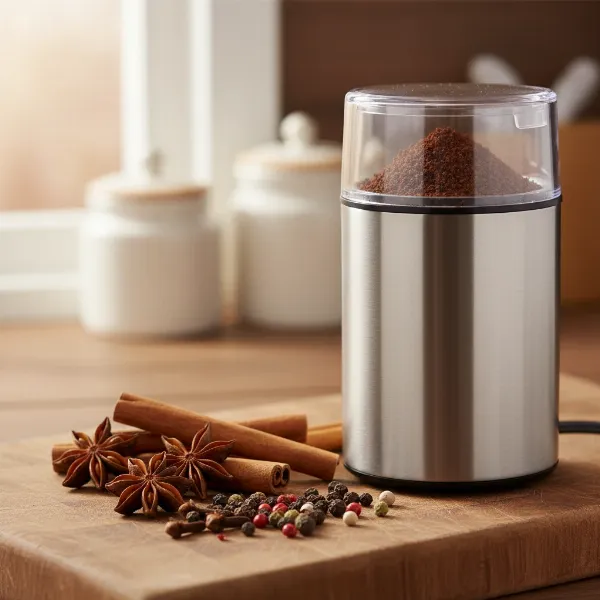 A close-up of a coffee grinder (blade type) with various whole spices next to it, illustrating its dual-use potential.
Step-by-Step Guide: How to Grind Spices in Your Coffee Grinder
Once you’ve decided to use your coffee grinder for spices, a few simple steps and techniques can ensure you get the best results while minimizing issues.
Preparation and Spice Selection
Before you begin, ensure your grinder is as clean as possible to prevent any existing coffee residue from mingling with your spices. Use a dry brush or paper towel to wipe out any loose particles. For optimal flavor release, some spices benefit from a light toast in a dry pan before grinding. This deepens their aroma and makes them more brittle, aiding the grinding process.
Consider the type of spice:
- Hard, dry spices like peppercorns, coriander seeds, or cumin seeds are generally well-suited for grinding in both blade and burr grinders.
- Oily or resinous spices such as cloves, star anise, or cinnamon sticks can be more challenging. They may gum up the blades or burrs and leave behind strong, persistent aromas and oils. If possible, avoid these in your primary coffee grinder, or prepare for an intensive cleaning.
Grinding Techniques for Optimal Results
The method you use will vary slightly depending on whether you have a blade or burr grinder.
For Blade Grinders: The Pulse Method
Since blade grinders chop rather than mill, a pulsing technique is key to achieving a more even grind and preventing overheating.
- Add Small Batches: Place only 2-3 tablespoons of whole spices into the grinder at a time. Overloading can lead to inconsistent results and excessive heat generation.
- Pulse in Short Bursts: Secure the lid and pulse the grinder for 5-10 seconds, then shake the grinder gently to redistribute the spices. Repeat this process until your desired consistency is reached. This helps break down larger pieces and prevents the bottom from becoming fine dust while the top remains coarse.
- Check Consistency: Periodically open the grinder and inspect the spice texture. Stop once you’ve reached your desired fineness, as continued grinding will only generate more heat and lead to an uneven, powdery result.
For Burr Grinders: Adjusting the Setting
Burr grinders offer more control over grind size, making them ideal for specific culinary applications.
- Start Clean: Ensure your burr grinder is spotless to avoid any coffee flavor transfer.
- Select Grind Setting: Choose a grind setting appropriate for your spices and intended use. For most spices, a medium-fine to fine setting will work well. Experimentation may be necessary as different spices have varying densities and hardness.
- Grind in Batches: While burr grinders are more consistent, grinding in smaller quantities (e.g., up to 1/4 cup) can still be beneficial to avoid overloading and ensure optimal performance.
- Process: Simply turn on your grinder and let it run until all spices have passed through the burrs. The consistent milling action will produce uniform results.
Tips for Different Spice Textures
- Powders: For very fine powders (like turmeric or cinnamon), you might need to grind in several stages, allowing the grinder to cool between batches.
- Coarse Grinds: If you need a coarse grind (e.g., for rubs), use shorter pulses in a blade grinder or a coarser setting on a burr grinder.
- Sticky Spices: For spices that tend to stick (like dried ginger), consider chilling them in the freezer for 15-20 minutes before grinding to make them more brittle and less likely to clump.
The Essential Cleanup: Removing Spice Residue and Odor
This is arguably the most crucial step when using a coffee grinder for spices, especially if you plan to return to grinding coffee. Strong spice oils can easily cling to the grinder’s components, leading to flavor transfer and potentially affecting your next batch of coffee.
Why Thorough Cleaning is Non-Negotiable
Spice oils are potent and persistent. Without proper cleaning, these residual oils can go rancid over time, imparting off-flavors to your coffee or future spices. Imagine a subtle hint of cumin in your morning espresso, or your sweet cinnamon rolls tasting faintly of garlic – this is the cross-contamination you want to avoid.
The Rice Method: Your First Line of Defense
This widely recommended technique is effective for dislodging loose particles and absorbing aromatic oils.
- Add Dry, Uncooked Rice: Pour approximately 1/4 to 1/3 cup of plain, dry white rice into your grinder. Any type of dry, uncooked rice will work; just ensure there’s enough to cover the blades or burrs.
- Grind to a Fine Dust: Run the grinder for about a minute, or until the rice has transformed into a fine, tan-colored powder. The abrasive rice particles will scour the grinder’s interior, dislodging any clinging spice fragments, while the starch absorbs the fragrant oils.
- Empty and Wipe: Carefully dump out the rice powder. Use a clean, dry cloth or a small brush (like a stiff toothbrush or paintbrush) to meticulously wipe away any remaining rice dust and spice residue, paying close attention to nooks and crannies.
Advanced Cleaning Techniques: Baking Soda, Vinegar, and More
For particularly strong or oily spices, or if residual odor persists, you may need to go beyond the rice method.
- Baking Soda for Odors: Mix a tablespoon of baking soda with a teaspoon or two of water to form a paste. Apply this paste to any visible stains or areas with persistent odors using a brush or fingertip. Let it sit for 15-20 minutes, then scrub gently to loosen grime. Wipe clean with a damp cloth and let it dry completely.
- Vinegar Wipe-Down: For stubborn smells, lightly dampen a paper towel with plain white vinegar and wipe down the accessible interior surfaces of the grinder. The vinegar helps neutralize odors. Leave the lid off and allow the grinder to air dry completely; the vinegar smell will dissipate as it dries.
- Grinding Stale Coffee: After a thorough cleaning, grinding a small amount of old or inexpensive coffee beans can act as a final “rinse” to absorb any lingering spice aromas. Dump this coffee out and wipe clean.
- Other Tools: A small, stiff brush or an air blower can be invaluable for reaching tight spots and dislodging fine dust. For blade grinders with removable grinding chambers, some can be washed with soap and water or even in a dishwasher, but always check your manufacturer’s instructions. For other grinders, a paper towel with isopropyl alcohol can be used for accessible metal parts, but avoid submerging any electrical components.
Crucial “Don’ts” for Grinder Cleaning
- Do NOT submerge electric grinders in water. This can damage electrical components and is a safety hazard.
- Do NOT use a damp cloth inside a non-removable grinding chamber as moisture can affect moving parts and lead to gumminess or rust. Always ensure the grinder is completely dry before its next use.
- Do NOT use harsh chemical cleaners that could leave toxic residues or damage the grinder’s materials.
> “The secret to using one grinder for both coffee and spices lies not in magic, but in meticulous cleaning. Neglect it, and your morning brew will tell tales of last night’s dinner.” – Admin, Coffeegrinderchoice.com
Coffee Grinder vs. Dedicated Spice Grinder: Making the Right Choice
While a coffee grinder can certainly handle spices in a pinch, understanding the differences between it and a dedicated spice grinder can help you make an informed decision for your kitchen.
| Feature | Coffee Grinder (Burr) | Coffee Grinder (Blade) | Dedicated Spice Grinder (Blade) |
|---|---|---|---|
| Grind Quality | Very consistent, precise particle size | Inconsistent, varying particle sizes | Generally inconsistent, like blade coffee grinders |
| Heat Generation | Low, preserves delicate flavors | High, can degrade spice aromas | High, can degrade spice aromas |
| Flavor Integrity | Excellent for coffee, risk of cross-contamination with spices | Fair for spices, high risk of cross-contamination for coffee | Good for spices, minimal cross-contamination risk for coffee (if not used for coffee) |
| Cleaning Effort | Moderate to high (especially burrs) | Low to moderate | Low to moderate, often designed for easy disassembly |
| Cost | Medium to High | Low | Low |
| Versatility | Excellent for various coffee preparations | Good for basic chopping of coffee, spices, nuts | Good for spices, herbs, nuts |
| Longevity | High (quality models) | Moderate | Moderate |
When to Invest in a Separate Spice Grinder
- You’re a Coffee Connoisseur: If you invest in high-quality coffee beans and appreciate nuanced flavors, you likely won’t want lingering spice notes in your brew. A dedicated coffee grinder is paramount for maintaining coffee purity.
- Frequent Spice Grinder: If you regularly grind a wide variety of pungent spices for diverse cuisines, the cleaning effort and potential for flavor transfer can become tedious. A separate spice grinder simplifies your workflow.
- Delicate Spices: For highly aromatic and delicate spices whose flavors are easily compromised by heat or residual odors, a dedicated spice grinder (especially a burr type, if available) is ideal.
- Preventing Damage: Some very hard or fibrous spices can potentially strain or damage a coffee grinder not designed for such materials, particularly blade grinders over time.
For many home cooks, a blade coffee grinder can effectively serve as an occasional spice grinder, provided you commit to a rigorous cleaning routine. However, for those seeking the purest flavors in both their coffee and spices, or for frequent spice users, the convenience and specialized design of two separate grinders often outweigh the initial investment.
Conclusion
Grinding spices in your coffee grinder is a convenient hack for many home cooks, allowing you to enjoy the vibrant flavors of freshly ground ingredients without needing a dedicated appliance. While both blade and burr coffee grinders can handle spices, understanding their different mechanisms is key to achieving the best results and, crucially, maintaining the integrity of your next coffee brew. The risk of flavor contamination is real, making a diligent cleaning routine absolutely essential. By employing methods like grinding rice, using baking soda, and wiping with vinegar, you can effectively banish lingering spice aromas and residues. Ultimately, whether you opt for a single, multi-purpose grinder or invest in separate tools, prioritizing cleanliness ensures that your coffee tastes like coffee, and your spices enhance your dishes without unexpected surprises. What spices will you be grinding fresh in your kitchen next?
Frequently Asked Questions
Can all spices be ground in a coffee grinder?
Most dry, whole spices can be ground in a coffee grinder. However, extremely oily or resinous spices like star anise, cloves, or fresh ginger are best avoided as they can gum up the grinder and leave behind very persistent odors and residues that are difficult to clean.
Will grinding spices permanently flavor my coffee grinder?
Not necessarily, but without thorough cleaning, strong spice oils can impart lingering odors and flavors. These can cross-contaminate your coffee. With diligent cleaning methods, particularly the rice grind and subsequent wiping, you can effectively remove most spice traces and prevent permanent flavoring.
How often should I clean my coffee grinder when using it for spices?
You should clean your coffee grinder immediately after every use for spices, especially if you plan to use it for coffee next. This prevents spice oils from settling and becoming more difficult to remove, ensuring your coffee tastes fresh and untainted.
What’s the main difference between a coffee grinder and a spice grinder?
The primary difference is often in design and marketing, though many inexpensive “spice grinders” are essentially blade coffee grinders. Dedicated, higher-end spice grinders may feature removable, dishwasher-safe components for easier cleaning, or burrs designed for harder, tougher spices, whereas coffee grinders prioritize consistent grind size for optimal coffee extraction.
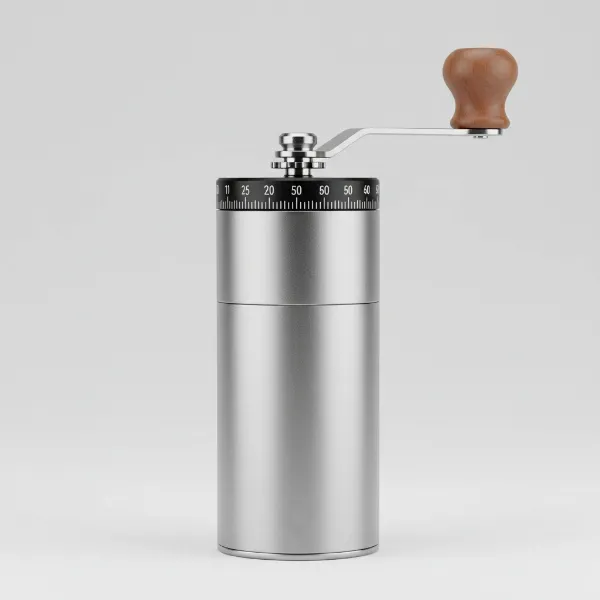
Can I use a manual coffee grinder for spices?
Yes, manual Coffee Grinders, particularly those with burrs, can be used for spices. They offer excellent control over grind size and typically generate less heat than electric blade grinders, preserving spice aromas. However, the cleaning process remains important to prevent flavor transfer to coffee.