Hey there, fellow coffee fanatics! Alex here, from Coffee Grinder Choice. I get it. You’ve spent time curating the perfect coffee beans, you have your favorite mug, and you’re aiming for that picture-perfect coffee corner. It’s no surprise that searching for the best grinder display ideas for your countertop is a top priority. But let me let you in on a little secret: the most stunning coffee grinder display isn’t about fancy trays or clever lighting. It’s about having a grinder that is so good, so consistent, and so beautiful in its own right that it becomes the centerpiece. A great grinder is a piece of functional art. So, let’s talk about how to choose a machine that not only looks incredible on your counter but also elevates your coffee from “meh” to “magnificent.”
Why a Good Grinder is the Ultimate Countertop Display
Before we dive into the nitty-gritty, let’s get one thing straight. You can have the most aesthetically pleasing setup in the world, but if the grinder at its heart is turning your precious beans into inconsistent dust and pebbles, it’s all for show. The true beauty of a coffee setup lies in the delicious, aromatic cup it produces.
Think of it like this: a high-performance sports car isn’t just beautiful because of its paint job; it’s beautiful because its form follows its function. The sleek lines are for aerodynamics, the wide tires for grip. A great coffee grinder is the same. Its solid build, precise burrs, and intuitive controls are what make it a worthy centerpiece. A top-tier grinder delivers consistent grounds, which leads to a balanced extraction and, ultimately, a mind-blowingly better cup of coffee. That, my friends, is a beauty you can taste.
|
Our Picks for the Best Coffee Grinder in 2026
As an Amazon Associate, we earn from qualifying purchases.
|
||
| Num | Product | Action |
|---|---|---|
| 1 | Hamilton Beach Custom Grind Electric Coffee Grinder for 4-14 Cups, One-Press Hand-Free Operation with Auto Shutoff, Removable Grinding Bowl For Easy Pour and Clean, Stainless Steel (80406) |

|
| 2 | Mini Manual Coffee Grinder with 40 Adjustable Settings, Portable Hand Coffee Bean Mill with 30g Capacity, Conical Burr Coffee Grinder with Crank for Travel, Camping, Office, Espresso, Pour Over, etc |
|
| 3 | Cuisinart Coffee Grinder, Electric One-Touch Automatic Burr Coffee Grinder with 18-Position Grind Selector, Cup Size Selector for 4 – 18 Cups, DBM-8P1, Black Stainless |
|
| 4 | 4 IN 1 Single Serve Coffee Maker with Milk Frother and Coffee Grinder, Coffee Maker for K Cup and Ground Coffee, with 30 oz Removable Water Reservoir, 6 to 14 oz. Brew Sizes, Coffee Machine for Home |
|
| 5 | SHARDOR Electric Burr Coffee Grinder 2.0, Adjustable Burr Mill with 16 Precise Grind Setting for 2-14 Cup, Black |
|
| 6 | TIMEMORE C5 Pro Manual Coffee Grinder Capacity 30g with CNC Stainless Steel Conical Burr - Internal Adjustable Setting,Double Bearing Positioning (C5 Pro Matte Black) |
|
| 7 | Burr Coffee Grinder, Adjustable Coffee Bean Grinder Electric with 14 Grinding Settings,2-12 Cups for Espresso, Drip Coffee and French Press |
|
| 8 | Portable Electric Coffee Grinder, Upgraded External Adjustable 40 Levels Fine to Coarse Settings, Stainless Steel Conical Burr Rechargeable and Faster Grinding for Office,Home,Camping,Travel,Black |
|
| 9 | V6 Pro Portable Coffee Grinder Electric, 60 Grind Settings USB-C Rechargeable, 4400mAh for Espresso to Cold Brew, Wireless Rechargeable Coffee Grinders for Travel, Camping, Office |
|
| 10 | BLACK+DECKER One Touch Coffee Grinder, 2/3 Cup Coffee Bean Capacity, Spice Grinder, One Touch Push-Button Control -150 Watts -Stainless Steel Blades |
|
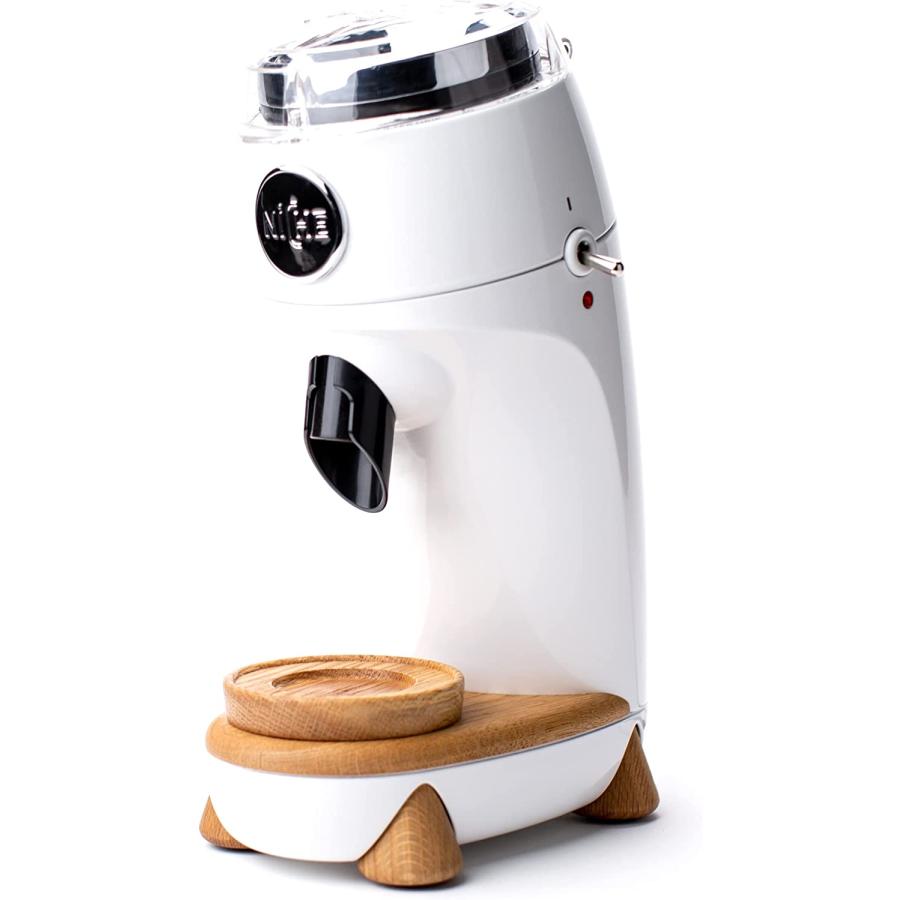
What’s the Big Deal About Burr Grinders, Anyway?
When we’re talking about grinder display ideas for your countertop, we’re almost exclusively talking about burr grinders. Why? Because they represent a commitment to quality coffee, and that’s something worth showing off.
A blade grinder is essentially a tiny blender. It uses a spinning blade to violently smash your coffee beans into bits and pieces. The result is a chaotic mix of large chunks and fine powder. This inconsistency means your coffee will extract unevenly, resulting in a cup that’s simultaneously bitter (from the over-extracted powder) and sour (from the under-extracted chunks). It’s a lose-lose situation.
A burr grinder, on the other hand, is all about precision. It uses two abrasive surfaces, or “burrs,” to crush the beans to a uniform size. You set the distance between the burrs to control the grind size with incredible accuracy. This consistency is the single most important factor in brewing delicious coffee.
“Switching from a blade to a burr grinder is the single biggest leap in quality any home coffee enthusiast can make. It’s not an accessory; it’s the foundation of your entire brewing process.” – As renowned barista, Sarah Jenkins, often states.
Here’s a quick breakdown:
| Feature | Burr Grinder | Blade Grinder |
|---|---|---|
| Grind Method | Crushes beans between two burrs | Chops beans with a spinning blade |
| Consistency | Highly uniform and consistent | Highly inconsistent (dust and boulders) |
| Control | Precise, adjustable settings | Timed, basically a guessing game |
| Heat | Low heat generation, preserves flavor | High heat, can scorch the beans |
| Best For | Anyone serious about coffee quality | Spices, or as a last resort |
Choosing a burr grinder is the first and most important step in creating a countertop display you can be proud of. It says, “I care about my coffee.”
Finding Your Perfect Countertop Centerpiece
Okay, so we’ve established that a quality burr grinder is a must. But with so many options out there, how do you choose one that fits your needs and your kitchen’s aesthetic? Let’s break it down.
What’s Your Brewing Style?
The way you make your coffee heavily influences the type of grinder you need.
- Espresso Aficionados: You need a grinder with micro-adjustments. Espresso is famously finicky, and the ability to make tiny changes to your grind size is non-negotiable. These grinders often have a sleek, industrial look with heavy-duty metal bodies that look fantastic next to an espresso machine.
- Pour-Over & Drip Brewers: You need a grinder that excels in the medium grind range and produces minimal “fines” (coffee dust). Many of these grinders have a more modern, minimalist design, with clean lines and simple interfaces. Brands like Fellow or Baratza make grinders that are design icons in their own right.
- French Press & Cold Brew Fans: You need a grinder that can produce a coarse, even grind without creating too much dust that will leave sludge in your cup. The good news is that most quality all-purpose grinders can handle this with ease.
How Much Should You Spend on a Grinder?
Your budget is a huge factor, but I always advise people to allocate a healthy portion of their coffee budget to the grinder. A great grinder will make coffee from a $20 brewer taste better than a cheap grinder will with a $500 brewer.
- Entry-Level ($100-$250): This is where you’ll find fantastic all-rounders like the Baratza Encore. They are workhorses, built to last, and provide a massive upgrade over any blade grinder. They might have more plastic in their construction, but their performance is a thing of beauty.
- Mid-Range ($250-$700): Here, you start seeing grinders with more metal construction, more powerful motors, and more precise settings. They often have stylish designs that make a real statement. This is the sweet spot for a serious home brewer who wants both top-notch performance and beautiful design.
- High-End ($700+): These are the Ferraris of the coffee world. Often designed for light commercial use or the most discerning home user, they feature premium materials, incredibly precise adjustments, and designs that are pure art. A grinder in this category isn’t just a tool; it’s a permanent fixture of your kitchen design.
Key Features That Make a Grinder Display-Worthy
When you’re looking for a grinder to be the star of your countertop, a few features make a big difference, not just in performance but in the daily experience.
- Build Materials: A grinder made of stainless steel or heavy-duty cast aluminum not only looks premium but is also more stable and durable. A matte black finish can look incredibly chic in a modern kitchen, while a classic chrome finish fits a retro vibe.
- Grind Adjustment Mechanism: How you change the grind size is part of the experience. A tactile, clicking collar or a smooth, weighted dial feels much more satisfying and looks more professional than a clunky plastic knob.
- Low Noise Level: A grinder that sounds like a jet engine taking off every morning can ruin the peaceful ritual of making coffee. Grinders with DC motors or belt-drive systems are often significantly quieter, making for a much more pleasant display that doesn’t disrupt the whole house.
- Ease of Cleaning: The best grinder display ideas for your countertop involve a clean grinder. A machine caked in old coffee oils is not a good look. Look for grinders with easily removable burrs and a simple cleaning process. Check out our [guide to deep cleaning your grinder] to keep it sparkling.
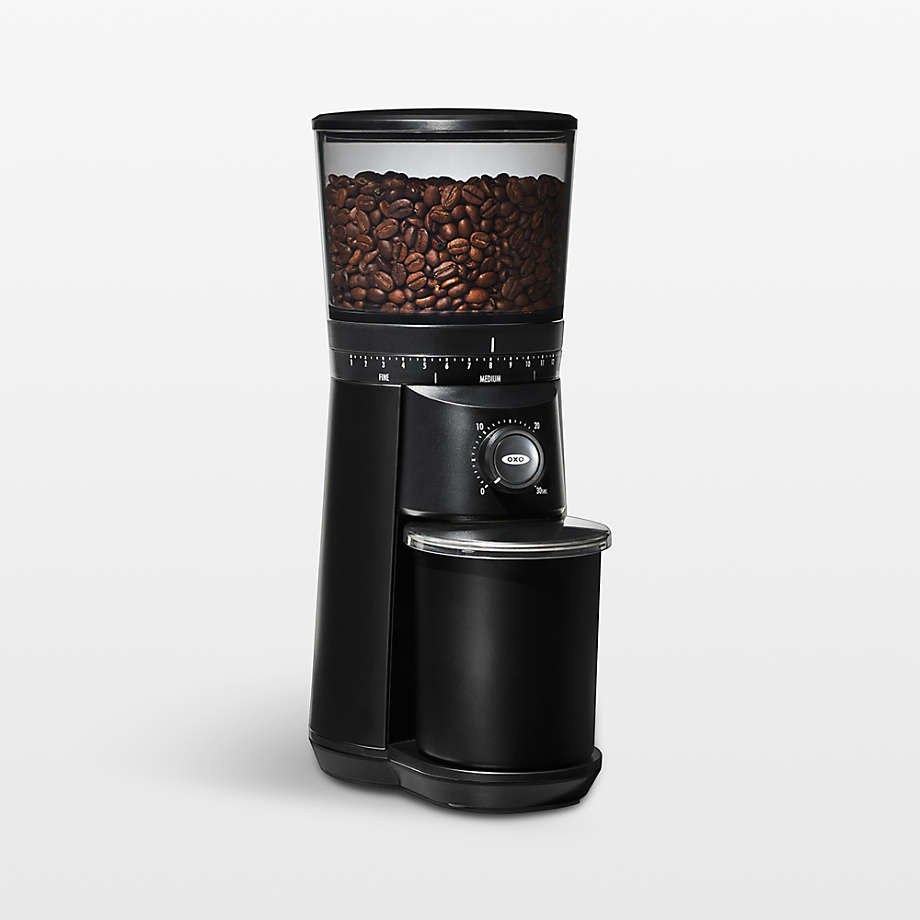
Keeping Your Display Sparkling: Use and Maintenance Tips
A beautiful grinder only stays beautiful if you take care of it. Think of it like a car—you have to wash it and change the oil.
- Don’t Store Beans in the Hopper: While it looks cool, leaving beans in the hopper exposes them to light and air, making them go stale faster. Store your beans in an airtight container and only dose what you need for each brew. This keeps your grinder cleaner and your coffee fresher.
- Regular Brushing: After every few uses, give the chute and burrs a quick brush-down with a soft brush to prevent old grounds from building up.
- Deep Clean Monthly: At least once a month, unplug your grinder, remove the hopper and the outer burr, and give everything a thorough cleaning. Use a stiff brush and a vacuum to remove all the stubborn grounds and oils. Never use water to clean the burrs.
- Use Grinder Cleaning Pellets: Every few months, running a capful of specialized grinder cleaning pellets (like Grindz) through the machine will absorb and remove stubborn coffee oils and residue.
Display Disasters: Common Grinder Mistakes to Avoid
Even the best grinder can’t save you from a few common pitfalls. Avoiding these will ensure your display piece performs as well as it looks.
- Grinding Too Far in Advance: Coffee begins to lose its aromatic compounds within minutes of being ground. Grinding right before you brew is crucial. Your grinder is a tool for on-demand freshness, not a storage container.
- Using Oily, Dark Roast Beans: Extremely dark, oily beans can clog grinders, especially more sensitive espresso grinders. They leave behind a residue that can turn rancid and affect the taste of your coffee.
- Ignoring Static: In dry conditions, coffee grounds can get staticky and fly everywhere, making a huge mess on your beautiful countertop. A quick spritz of water on your beans before grinding (known as the Ross Droplet Technique) can dramatically reduce static.
Frequently Asked Questions
Q: Is a manual hand grinder a good display idea for a countertop?
A: Absolutely! A high-quality manual grinder can be a gorgeous piece of craftsmanship, often made from beautiful wood and steel. It’s perfect for someone who enjoys the ritual and tactile experience of making coffee and doesn’t need to grind large quantities at once.
Q: Conical vs. Flat Burrs: Does it matter for a countertop display?
A: From a purely aesthetic standpoint, it doesn’t matter much as the burrs are internal. In terms of performance, they produce slightly different flavor profiles. Flat burrs are often found in high-end espresso grinders and are prized for their clarity, while conical burrs are fantastic all-rounders known for producing a rich body.
Q: How often should I replace the burrs in my grinder?
A: For most home users, the burrs will last for several years. A general rule of thumb is after grinding about 500-1000 lbs (225-450 kg) of coffee, but you’ll likely notice a decline in grind quality before then. When your grinds look less consistent or you have to grind much finer than usual for the same result, it might be time for a new set.
Q: Can I use my coffee grinder for spices?
A: I would strongly advise against it. Spices have potent oils that will permeate your grinder and permanently taint your coffee. If you need to grind spices, use a cheap blade grinder or a dedicated spice grinder.
Q: Where is the best place on my counter to set up my coffee station?
A: Ideally, find a spot with easy access to an outlet, near your water source (if you have a machine that needs plumbing or frequent refilling), and with enough space to work comfortably. Keep it away from direct sunlight, which can degrade your beans.
Your Best Grinder is Your Best Display
At the end of the day, the best grinder display ideas for your countertop aren’t found on Pinterest—they’re found in the pursuit of a better cup of coffee. When you invest in a quality burr grinder, you’re not just buying an appliance; you’re investing in a daily ritual. You’re bringing a piece of precision engineering into your home that looks great because it is great. So focus on finding a machine that will deliver consistent, delicious grounds day after day. Its beauty will follow naturally.
What grinder is the centerpiece of your coffee station? Share your favorites in the comments below! I’d love to hear what you’re brewing with.