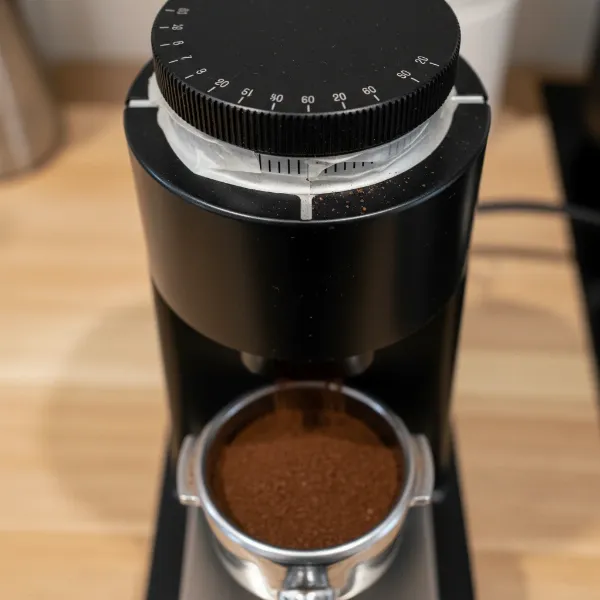
The pursuit of the perfect cup of coffee is a journey many embark on, filled with aromatic discoveries and delightful sips. At the core of this quest lies the humble coffee grinder, a tool whose settings wield immense power over your brew’s final taste. However, many coffee enthusiasts, from seasoned baristas to home brewers, often stumble when adjusting grind settings, leading to frustratingly inconsistent or unpalatable results. Understanding these common missteps is the first step towards unlocking your coffee’s full potential.
Understanding the Heart of the Matter: Grind Size and Extraction
Before diving into mistakes, it’s crucial to grasp the fundamental relationship between grind size and coffee extraction. Extraction is the process where hot water dissolves soluble compounds from coffee grounds, creating flavor.
- Too fine a grind increases the surface area of the coffee, causing water to flow through the grounds more slowly. This extended contact time can lead to over-extraction, resulting in a coffee that tastes bitter, astringent, or overly strong.
- Too coarse a grind, conversely, means less surface area and water flowing too quickly through the coffee bed. This short contact time results in under-extraction, producing a cup that is sour, weak, or watery.
|
Our Picks for the Best Coffee grinder in 2026
As an Amazon Associate I earn from qualifying purchases.
|
||
| Num | Product | Action |
|---|---|---|
| 1 | Hamilton Beach Fresh Grind Electric Coffee Grinder for Beans, Spices and More, Stainless Steel Blades, Removable Chamber, Makes up to 12 Cups, Black |

|
| 2 | BLACK+DECKER One Touch Coffee Grinder, 2/3 Cup Coffee Bean Capacity, Spice Grinder, One Touch Push-Button Control -150 Watts -Stainless Steel Blades |
|
| 3 | Cuisinart Coffee Grinder, One Touch Control Coffee Bean Grinder with Stainless Steel Bowl and Blades, 2.5 oz/70g Capacity Enough for 12 Cups, On/Off Switch with Safety Interlock, DCG-20BKN, Black |
|
| 4 | Automatic Coffee Machine, 20-Bar Pressure Espresso Maker with Built-in Grinder, 15-Precision Settings, One-Touch Latte & Cappuccino System, Smart Self-Cleaning |
|
| 5 | SHARDOR Professional Conical Burr Coffee Grinder, Coffee Bean Grinder with 48 Grind Settings for Espresso, Drip & French Press, Upgraded Anti-Static Technology, Precision Timer, Stainless Steel |
|
| 6 | Cuisinart Coffee Grinder, Electric One-Touch Automatic Burr Coffee Grinder with 18-Position Grind Selector, Cup Size Selector for 4 – 18 Cups, DBM-8P1, Black Stainless |
|
| 7 | OXO Brew Conical Burr Coffee Grinder - Silver, Stainless Steel Burrs, One-Touch Automatic Smart Grind |
|
| 8 | Amazon Basics Electric Coffee Grinder, Coffee Bean and Spice Grinder, With Heavy-Duty Stainless Steel Grind Blades |
|
| 9 | Hamilton Beach Custom Grind Electric Coffee Grinder for 4-14 Cups, One-Press Hand-Free Operation with Auto Shutoff, Removable Grinding Bowl For Easy Pour and Clean, Stainless Steel (80406) |
|
| 10 | Wancle Electric Coffee Grinder, Spice Grinder, One Touch Coffee Mill for Beans, Spices and More, with Clean Brush Black |
|
The goal is to find the “sweet spot” – a balanced extraction that highlights the coffee’s desirable flavors without the unpleasant notes of over or under-extraction.
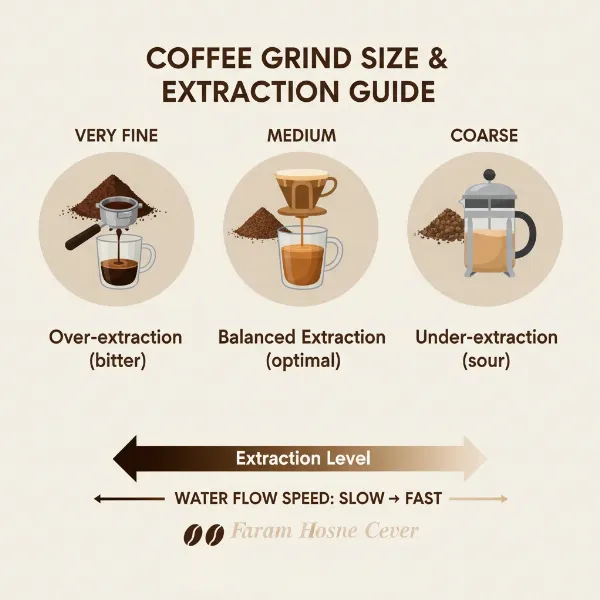 Visual representation of various coffee grind sizes and their corresponding impact on extraction.
Top Mistakes People Make When Adjusting Coffee Grind Settings
Achieving that perfect balance requires precision and an understanding of common pitfalls. Here are some of the most frequent mistakes made when adjusting coffee grinder settings:
Mistake 1: Misinterpreting the Symptoms of Over or Under-Extraction
One of the most common errors is not accurately diagnosing what your coffee is telling you. A bitter, drying sensation on your tongue usually indicates your grind is too fine, leading to over-extraction. Conversely, a sour, thin, or vegetal taste signals an under-extracted brew, meaning your grind is likely too coarse. Correctly identifying these flavor cues is paramount for knowing whether to adjust finer or coarser.
Mistake 2: Ignoring Your Brewing Method’s Specific Grind Requirements
Different brewing methods demand distinct grind sizes. Using an espresso grind for a French press, or vice-versa, will inevitably lead to a poor cup. Espresso requires a very fine grind to resist the high pressure, while a French press needs a coarse grind to prevent sludge and over-extraction during its long steep time.
Here’s a quick guide to common grind sizes:
| Brew Method | Grind Description | Particle Size (Visual Analogy) | Impact of Incorrect Grind (Example) |
|---|---|---|---|
| Espresso | Very Fine | Powdered sugar / Finer table salt | Too coarse = weak, sour shot; Too fine = choked machine, bitter shot |
| Moka Pot | Fine | Table salt | Too coarse = watery; Too fine = bitter, clogged |
| Pour-Over | Medium-Fine to Medium | Sand | Too coarse = fast drip, weak; Too fine = slow drip, bitter |
| Drip Coffee | Medium | Beach sand | Too coarse = weak; Too fine = bitter, muddy |
| French Press | Coarse | Coarse sea salt | Too coarse = extremely weak; Too fine = muddy, bitter |
| Cold Brew | Extra Coarse | Rock salt / Peppercorns | Too coarse = very weak; Too fine = cloudy, bitter |
Mistake 3: Making Large, Undisciplined Adjustments
The temptation to dramatically change your grinder settings when your coffee tastes off is strong, but it’s a mistake. Coffee grinders are designed for nuanced adjustments. Making large jumps can send you far from the “sweet spot” and make it harder to pinpoint the ideal setting. Instead, make small, incremental changes. For espresso, even a slight adjustment can alter extraction time by several seconds.
Mistake 4: Forgetting to Purge Your Grinder After Adjustments
When you adjust your grinder, especially to a finer setting, some grounds from the previous setting remain within the burrs. These “old” grinds will mix with your newly ground coffee, leading to an inconsistent shot. After making an adjustment, it’s vital to purge a small amount of coffee (one to two doses) to clear out the old grinds and ensure you’re brewing with grounds at the desired new setting.
Mistake 5: Blindly Copying Grind Settings from Other Grinders or Recipes
“Grind settings do not transfer,” states one expert. “Even if the grinders look the same.” This is a crucial insight. Every grinder, even the same model, has slight variations. Furthermore, bean type, roast level, and age all influence how coffee grinds and extracts. What works for one person’s setup or beans won’t necessarily work for yours. Approach each new bag of coffee as a fresh opportunity to “dial in” your grinder settings through taste.
Mistake 6: Overlooking Environmental Factors and Bean Freshness
Coffee beans are hygroscopic, meaning they absorb moisture from the air. This makes them highly susceptible to environmental changes. On a humid day, coffee grounds absorb more water, behaving as if they were ground finer, leading to slower extraction. Conversely, on dry days, extraction speeds up. Consequently, experienced baristas often make small adjustments to their grinders throughout the day to compensate for changes in atmospheric conditions. Bean freshness also plays a role; older beans may require a finer grind.
Mistake 7: Using the Wrong Type of Grinder for the Job
While convenient, blade grinders chop coffee beans unevenly, producing a mix of fine dust and large chunks. This inconsistency leads to erratic extraction, often causing both under and over-extraction in the same cup. For quality coffee, investing in a burr grinder (either conical or flat burr) is essential. Burr grinders crush beans uniformly, providing consistent particle size and, therefore, more predictable and delicious results.
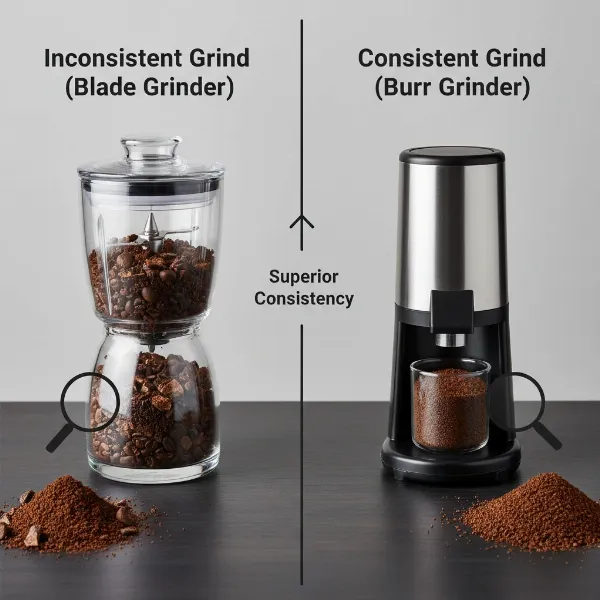 Comparison of grind consistency between an inconsistent blade grinder and a uniform burr grinder.
Mistake 8: Neglecting Accurate Dosing and Consistency
The grind setting isn’t the only variable. Consistent dosing—using the exact same amount of coffee every time—is equally important. Inconsistent dosing can lead to variations in extraction even if the grind setting remains the same. Weighing your coffee beans before grinding them, and then your ground coffee, ensures a critical level of consistency. Many electric grinders offer built-in timers, but double-checking with a scale after grinding ensures accuracy.
Mastering Your Grind: A Step-by-Step Approach to Perfect Coffee
Mastering your grind adjustments is an art perfected through practice and attention to detail.
- Start with a Baseline: Begin with a recommended grind setting for your chosen brewing method (refer to the table above or your grinder’s manual).
- Adjust Incrementally: Make small adjustments to your grinder setting. For most grinders, rotating the collar clockwise typically makes the grind finer, while counter-clockwise makes it coarser.
- Taste and Time Your Brew: This is your ultimate guide. For espresso, aim for optimal extraction times (e.g., around 25-30 seconds for a double shot). For other methods, taste is paramount.
- Purge Regularly: After each significant adjustment, grind a small amount of coffee and discard it to clear out old grinds before brewing your test cup.
- Keep a Log: Note your grind settings, brew parameters, and the resulting taste. This helps you learn what works best for different beans and conditions.
“The perfect grind size isn’t found in a chart; it’s discovered in the cup, through patient adjustments and attentive tasting.” – Coffee Grinder Choice Admin, Coffee Grinder Expert
Conclusion
Adjusting your coffee grinder settings is more than just turning a dial; it’s a dance between science and sensory experience. By understanding the common pitfalls—from misinterpreting extraction to neglecting environmental factors and the necessity of purging—you can elevate your coffee brewing. Embrace the journey of small adjustments, meticulous observation, and consistent practice. The reward is a consistently delightful cup that perfectly captures the unique essence of your beans. What’s one small adjustment you’ll make to your grind settings today to brew a better cup tomorrow?
Frequently Asked Questions
How often should I adjust my coffee grinder settings?
For espresso, daily adjustments are often necessary due to factors like humidity and bean age. For other brewing methods, you might adjust less frequently, perhaps with each new bag of coffee or if you notice a change in your brew’s taste. The key is to taste your coffee and adjust as needed.
What exactly is “dialing in” my coffee?
“Dialing in” refers to the process of fine-tuning your Coffee Grinder settings, along with other brewing variables, to achieve the optimal taste profile for a specific coffee bean and brewing method. It’s about finding that “sweet spot” where the coffee is perfectly balanced, free from sourness (under-extraction) or bitterness (over-extraction).
Can a cheap grinder ruin my coffee, even with the right settings?
Yes, a cheap grinder, particularly a blade grinder, can significantly compromise your coffee quality regardless of how meticulously you try to adjust settings. Blade grinders produce an inconsistent grind with many “fines” and “boulders,” leading to uneven extraction and a muddled flavor. Investing in a quality burr grinder is one of the most impactful upgrades you can make to your coffee experience.