Hey there, Alex here from Coffee Grinder Choice. Let’s talk about something that’s close to my heart, and probably yours too if you’re reading this. That magical morning ritual: the incredible aroma of freshly ground coffee filling your kitchen. It’s the best part of waking up, right? But what if I told you that this daily pleasure could be even better—not just for your taste buds, but for the planet? Making the decision to buy an eco friendly coffee grinder brand is one of the most impactful upgrades you can make to your coffee setup. It’s about choosing a tool that not only delivers an exceptional cup but also aligns with a more conscious, sustainable lifestyle.
For years, I’ve seen countless grinders come and go. The flimsy, the noisy, the ones that die after a year… it’s a graveyard of plastic and planned obsolescence. An eco-friendly grinder flips the script. It’s built with intention, designed to last, and made by companies that care about their footprint. This isn’t just about grinding beans; it’s about investing in quality, reducing waste, and making a statement with every single cup you brew.
Why Does an Eco-Friendly Grinder Really Matter?
You might be thinking, “It’s just a small appliance, Alex. How much difference can it make?” And that’s a fair question. But when you break it down, the impact is surprisingly significant. A great grinder is the single most important piece of equipment for brewing better coffee, but an eco-friendly one elevates your entire coffee experience.
First off, we’re talking about durability. Most eco-conscious brands prioritize longevity. They use robust materials like stainless steel, cast iron, or sustainably sourced wood instead of cheap plastic. This means you’re not buying a new grinder every couple of years and sending the old one to a landfill. You buy it once, and it serves you for a decade or more. It’s the classic “buy well, buy once” philosophy.
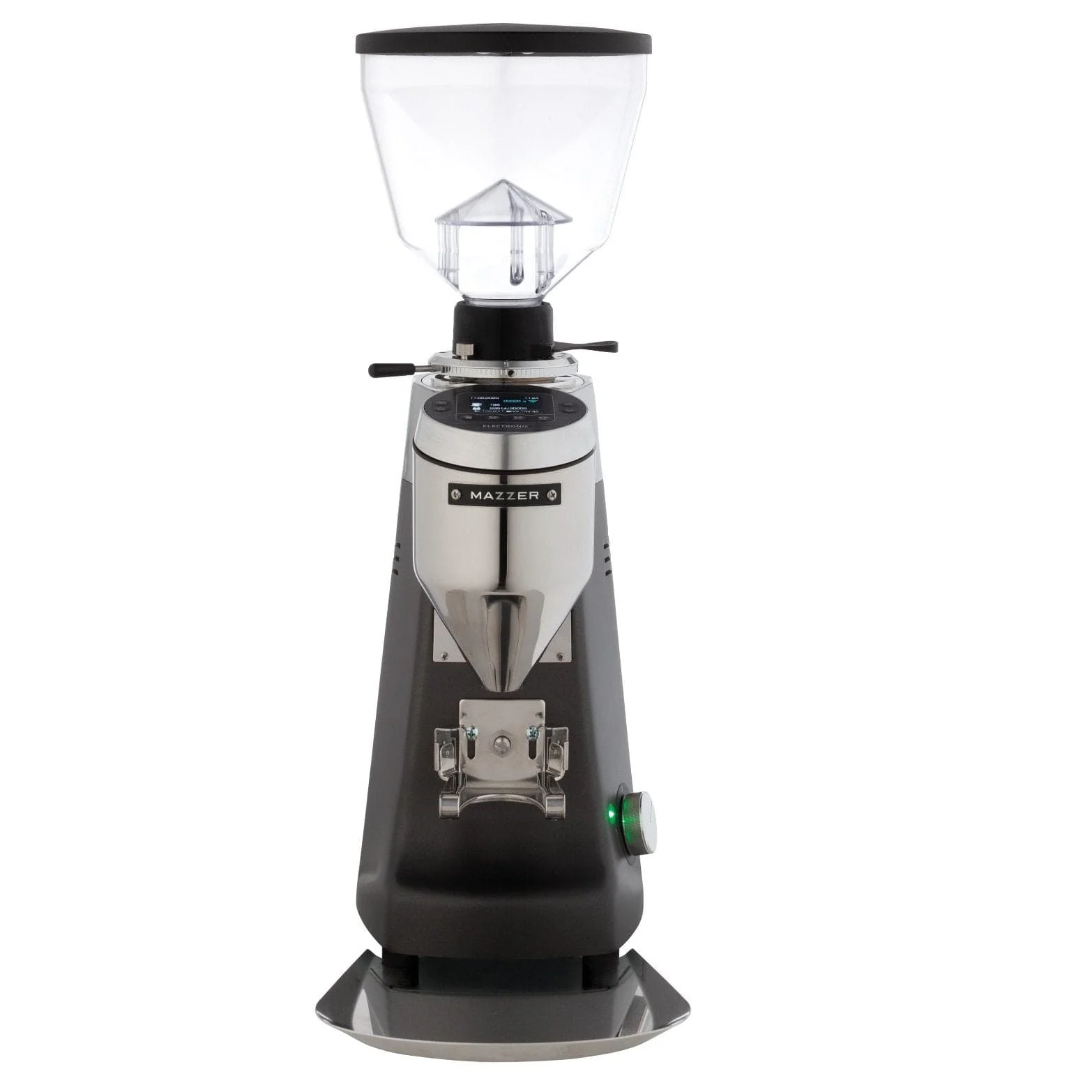
Secondly, it’s about waste reduction on a daily basis. A quality grinder gives you a consistent grind, which means you get a better, more even extraction. Better extraction means you use your precious coffee beans more efficiently, getting maximum flavor without having to use extra grounds to compensate for a poor grind. Over a year, that really adds up!
|
Our Picks for the Best Coffee Grinder in 2025
As an Amazon Associate, we earn from qualifying purchases.
|
||
| Num | Product | Action |
|---|---|---|
| 1 | Cuisinart Coffee Grinder, Electric One-Touch Automatic Burr Coffee Grinder with 18-Position Grind Selector, Cup Size Selector for 4 – 18 Cups, DBM-8P1, Black Stainless |

|
| 2 | BLACK+DECKER One Touch Coffee Grinder, 2/3 Cup Coffee Bean Capacity, Spice Grinder, One Touch Push-Button Control -150 Watts -Stainless Steel Blades |
|
| 3 | V6 Pro Portable Coffee Grinder Electric, 60 Grind Settings USB-C Rechargeable, 4400mAh for Espresso to Cold Brew, Wireless Rechargeable Coffee Grinders for Travel, Camping, Office |
|
| 4 | Burr Coffee Grinder, Adjustable Coffee Bean Grinder Electric with 14 Grinding Settings,2-12 Cups for Espresso, Drip Coffee and French Press |
|
| 5 | Hamilton Beach Custom Grind Electric Coffee Grinder for 4-14 Cups, One-Press Hand-Free Operation with Auto Shutoff, Removable Grinding Bowl For Easy Pour and Clean, Stainless Steel (80406) |
|
| 6 | 4 IN 1 Single Serve Coffee Maker with Milk Frother and Coffee Grinder, Coffee Maker for K Cup and Ground Coffee, with 30 oz Removable Water Reservoir, 6 to 14 oz. Brew Sizes, Coffee Machine for Home |
|
| 7 | Portable Electric Coffee Grinder, Upgraded External Adjustable 40 Levels Fine to Coarse Settings, Stainless Steel Conical Burr Rechargeable and Faster Grinding for Office,Home,Camping,Travel,Black |
|
| 8 | SHARDOR Electric Burr Coffee Grinder 2.0, Adjustable Burr Mill with 16 Precise Grind Setting for 2-14 Cup, Black |
|
| 9 | TIMEMORE C5 Pro Manual Coffee Grinder Capacity 30g with CNC Stainless Steel Conical Burr - Internal Adjustable Setting,Double Bearing Positioning (C5 Pro Matte Black) |
|
| 10 | Mini Manual Coffee Grinder with 40 Adjustable Settings, Portable Hand Coffee Bean Mill with 30g Capacity, Conical Burr Coffee Grinder with Crank for Travel, Camping, Office, Espresso, Pour Over, etc |
|
And finally, it’s about supporting a better industry. When you choose to buy an eco friendly coffee grinder brand, you’re voting with your wallet. You’re telling the market that you value sustainable practices, ethical manufacturing, and products designed with the future in mind.
The Great Debate: Burr vs. Blade Grinders From a Green Perspective
Before we dive into the specifics of eco-friendly features, we need to cover the basics. At the heart of every grinder are two main types of mechanisms: blade and burr.
Blade Grinders
Think of a blade grinder as a tiny blender with a propeller-like blade. It doesn’t really grind the coffee; it smashes and shatters the beans into pieces of varying sizes through sheer force.
- Pros: They are inexpensive and widely available.
- Cons: The result is a mix of fine dust and large chunks, leading to an inconsistent and often bitter or sour brew. They are also typically made of cheap plastic and are not designed to be repaired. From a sustainability standpoint, they are often considered disposable appliances.
Burr Grinders
Burr grinders are the real deal. They feature two revolving abrasive surfaces (the burrs) that mill the coffee beans into a uniform size. It’s a precise, controlled process.
- Pros: They produce a remarkably consistent grind, which is the key to a delicious, balanced cup of coffee. They offer a wide range of grind settings for everything from espresso to French press.
- Cons: They have a higher upfront cost.
The Eco-Friendly Verdict: Hands down, a burr grinder is the more sustainable choice. They are almost always built with better materials and designed for longevity. Many high-quality burr grinders even have replaceable burrs, meaning you can refresh your machine after years of use instead of replacing the whole unit.
How to Buy an Eco Friendly Coffee Grinder Brand That’s Right for You
Alright, you’re convinced. A durable, efficient burr grinder is the way to go. But what specific factors make a brand or model “eco-friendly”? It’s more than just a label. Here’s a checklist to guide your search.
What should I look for in materials?
Look for brands that are transparent about what their grinders are made of. The best choices are:
- Stainless Steel or Cast Iron: Incredibly durable, long-lasting, and recyclable at the end of their very long life.
- Sustainably Sourced Wood: Often used for accents or the body of manual grinders, look for certifications like FSC (Forest Stewardship Council).
- BPA-Free and Recycled Plastics: If plastic is used (often for the hopper), ensure it’s high-quality, durable, and free from harmful chemicals. Some brands are now using recycled plastics, which is a big plus.
Is a manual or electric grinder more eco-friendly?
This is a great question that comes down to your personal priorities and coffee habits.
| Feature | Manual Grinder | Electric Grinder |
|---|---|---|
| Energy Use | Zero electricity. Powered by you! The ultimate in energy efficiency. | Uses electricity, but modern, high-quality models are quite efficient. |
| Longevity | With fewer moving parts, a well-made one can literally last a lifetime. | Good models last for many years, but have more components that could fail. |
| Best For | Brewing 1-2 cups at a time. Perfect for pour-over, AeroPress, French press. | Brewing for multiple people, making espresso, or convenience. |
| Eco-Footprint | Extremely low manufacturing and operational footprint. | Higher manufacturing footprint, but still low for a daily-use appliance. |
A manual grinder is undeniably the greenest option. It has no carbon footprint in operation and is often built with a simplicity that lends itself to extreme durability. However, if you need the speed and convenience of an electric model, don’t sweat it. Choosing an efficient, well-built electric grinder that you’ll use for 10+ years is still a fantastic sustainable choice compared to a cheap one you’ll toss in two.
As Isabella Rossi, a sustainable product designer and former barista, often says, “True sustainability in kitchen tools isn’t just about recycled materials; it’s about ‘lifetime value.’ A product that performs flawlessly for 20 years is infinitely more eco-friendly than a ‘green-washed’ one that ends up in the trash.”

Look for Durability and Repairability
This is perhaps the most crucial factor. A truly eco-friendly product is one you don’t have to replace.
- Check the Warranty: A longer warranty often signals a manufacturer’s confidence in their product’s durability.
- Availability of Spare Parts: Can you buy replacement burrs, gaskets, or handles? Brands that offer spare parts are committed to the longevity of their products.
- Read Reviews: Look for reviews from users who have owned the grinder for several years. Do they mention how well it has held up over time?
Key Maintenance Tips to Make Your Grinder Last Longer
Once you buy an eco friendly coffee grinder brand, taking care of it is the next step in sustainable coffee making. A little TLC goes a long way.
- Clean it Regularly: Coffee oils build up over time, affecting the taste of your coffee and the performance of the burrs. Aim for a deep clean every month.
- Use Grinder Cleaning Pellets: Products like Grindz are food-safe, biodegradable pellets that you simply grind through the machine to absorb and remove old coffee oils and particles.
- Never Use Water: Unless the manufacturer’s instructions specifically say a part is washable, do not use water to clean the burrs or the internal grinding chamber. It will cause rust and ruin your grinder. A stiff brush and a vacuum are your best friends.
- Don’t Grind “Wet” or Flavored Beans: The sticky, oily residue from heavily flavored beans can clog your burrs and be very difficult to clean, potentially damaging the motor over time.
Frequently Asked Questions (FAQ)
Are manual coffee grinders more eco-friendly?
Yes, generally speaking, manual grinders are the most eco-friendly option. They use zero electricity, have a smaller manufacturing footprint, and their simple mechanics often mean they can last a lifetime with minimal maintenance, making them a top choice when you want to buy an eco friendly coffee grinder brand.
What materials are best for a sustainable coffee grinder?
Look for grinders made with durable, long-lasting materials like stainless steel, cast iron, or ceramic for the burrs. For the body, sustainably sourced wood and high-quality, BPA-free plastics are good indicators of a more conscious design.
How can I make my current coffee grinder more sustainable?
The most sustainable grinder is the one you already own! Extend its life by cleaning it regularly, replacing parts like burrs if possible instead of the whole unit, and using it to grind high-quality beans efficiently to reduce coffee waste.
Does an eco-friendly grinder compromise on performance?
Absolutely not. In fact, it’s usually the opposite. Brands focused on sustainability often prioritize quality and durability, which translates to better-engineered burrs, more powerful motors, and more precise grind consistency, ultimately leading to a superior cup of coffee.
Is it better to repair or replace a coffee grinder?
Repairing is almost always the more sustainable option. If your grinder isn’t working correctly, check with the manufacturer about spare parts or authorized repair services. Replacing a simple part like a gasket or a burr set is far better for the environment than sending an entire appliance to the landfill.
Your Best Brew Awaits
At the end of the day, the journey to a better cup of coffee and a healthier planet are beautifully intertwined. Making the choice to buy an eco friendly coffee grinder brand is a powerful step. It’s an investment in countless delicious mornings, a commitment to reducing your environmental impact, and a celebration of quality craftsmanship.
You’re not just buying an appliance; you’re choosing a partner for your daily ritual—one that will serve you well for years to come.
Now I’d love to hear from you. What are you looking for in a grinder? Or if you already have a favorite eco-friendly model, share your experience in the comments below! Let’s help each other brew better, more consciously.