Hey there, fellow coffee lover. Alex here, from Coffee Grinder Choice. Let’s talk about the single most impactful upgrade you can make to your home coffee game. It’s not the fancy espresso machine or the artisan-roasted beans (though those are amazing). The secret weapon is finding the Best Budget Coffee Grinder. I know, it sounds less glamorous, but stick with me. That little machine is the gatekeeper to unlocking the incredible flavor hiding inside every single coffee bean.
For years, I’ve seen passionate coffee drinkers spend a fortune on beans, only to have their daily cup fall flat. The culprit, almost every time, is inconsistent or stale pre-ground coffee. Investing in a quality grinder, even an affordable one, is like switching from a fuzzy black-and-white TV to a 4K display for your taste buds. It’s that big of a deal. So, grab your favorite mug, and let’s dive into how you can achieve coffee nirvana without breaking the bank.
Why a Good Coffee Grinder is a Game-Changer
So, why all the fuss? Can’t you just buy pre-ground coffee? You can, but you’d be missing out on the soul of the coffee. The moment a coffee bean is ground, it starts to lose its volatile aromatic compounds—the very things that give coffee its incredible smell and nuanced flavors. Think of it like a freshly opened can of soda versus one that’s been sitting out all day. One is vibrant and full of life; the other is just… meh.
A good grinder gives you two critical things:
- Freshness: You grind only what you need, right before you brew. This preserves all those delicate oils and aromas, ensuring maximum flavor in your cup.
- Consistency: This is the big one. A quality grinder produces uniform-sized coffee particles. This allows for an even extraction, meaning the water pulls out the good stuff (sugars, acids, oils) from all the grounds at the same rate. Inconsistent grounds lead to a messy cup that’s both bitter (from over-extracted small particles) and sour (from under-extracted large particles).
|
Our Picks for the Best Coffee Grinder in 2026
As an Amazon Associate, we earn from qualifying purchases.
|
||
| Num | Product | Action |
|---|---|---|
| 1 | Portable Electric Coffee Grinder, Upgraded External Adjustable 40 Levels Fine to Coarse Settings, Stainless Steel Conical Burr Rechargeable and Faster Grinding for Office,Home,Camping,Travel,Black |

|
| 2 | Mini Manual Coffee Grinder with 40 Adjustable Settings, Portable Hand Coffee Bean Mill with 30g Capacity, Conical Burr Coffee Grinder with Crank for Travel, Camping, Office, Espresso, Pour Over, etc |
|
| 3 | BLACK+DECKER One Touch Coffee Grinder, 2/3 Cup Coffee Bean Capacity, Spice Grinder, One Touch Push-Button Control -150 Watts -Stainless Steel Blades |
|
| 4 | SHARDOR Electric Burr Coffee Grinder 2.0, Adjustable Burr Mill with 16 Precise Grind Setting for 2-14 Cup, Black |
|
| 5 | Burr Coffee Grinder, Adjustable Coffee Bean Grinder Electric with 14 Grinding Settings,2-12 Cups for Espresso, Drip Coffee and French Press |
|
| 6 | V6 Pro Portable Coffee Grinder Electric, 60 Grind Settings USB-C Rechargeable, 4400mAh for Espresso to Cold Brew, Wireless Rechargeable Coffee Grinders for Travel, Camping, Office |
|
| 7 | Cuisinart Coffee Grinder, Electric One-Touch Automatic Burr Coffee Grinder with 18-Position Grind Selector, Cup Size Selector for 4 – 18 Cups, DBM-8P1, Black Stainless |
|
| 8 | 4 IN 1 Single Serve Coffee Maker with Milk Frother and Coffee Grinder, Coffee Maker for K Cup and Ground Coffee, with 30 oz Removable Water Reservoir, 6 to 14 oz. Brew Sizes, Coffee Machine for Home |
|
| 9 | Hamilton Beach Custom Grind Electric Coffee Grinder for 4-14 Cups, One-Press Hand-Free Operation with Auto Shutoff, Removable Grinding Bowl For Easy Pour and Clean, Stainless Steel (80406) |
|
| 10 | TIMEMORE C5 Pro Manual Coffee Grinder Capacity 30g with CNC Stainless Steel Conical Burr - Internal Adjustable Setting,Double Bearing Positioning (C5 Pro Matte Black) |
|
The Great Debate: Burr Grinders vs. Blade Grinders
When you start shopping for the best budget coffee grinder, you’ll immediately run into two main categories: burr and blade. This isn’t just a minor technical detail; it’s the most important decision you’ll make.
What is a Blade Grinder?
A blade grinder is essentially a small blender with a spinning blade at the bottom. It doesn’t really grind the coffee; it smashes and shatters the beans through brute force.
- Pros: They are incredibly cheap and widely available.
- Cons: The result is a chaotic mix of fine dust and large chunks. This leads to that dreaded uneven extraction we talked about. There’s also no real control over the grind size beyond “grind it longer.”
To be blunt, a blade grinder is better than pre-ground coffee, but only just. If your budget is extremely tight, it’s a starting point, but if you’re serious about improving your coffee, you’ll want to aim for a burr grinder.
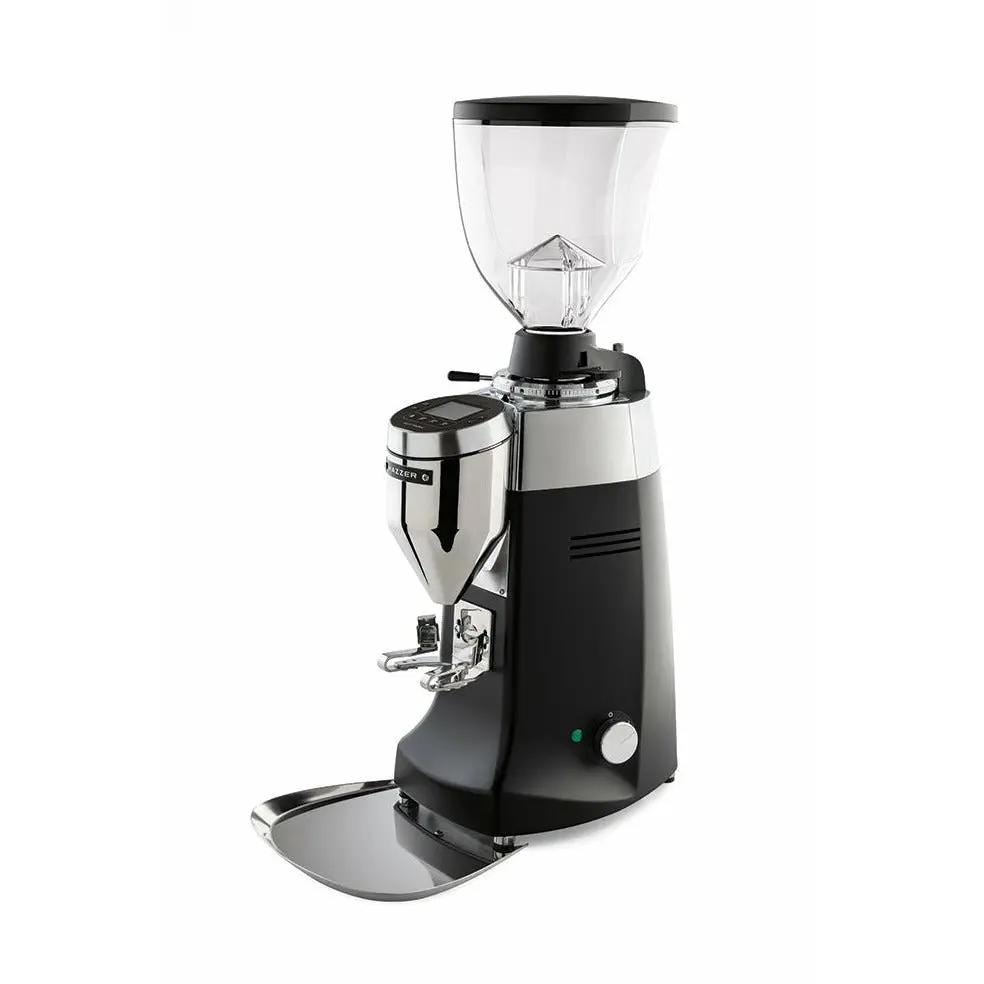
What is a Burr Grinder?
A burr grinder uses two revolving abrasive surfaces (the burrs) to crush coffee beans into a uniform size. Imagine a pepper mill, but for coffee. It’s a much more precise and gentle process. This consistency is the key to a balanced, delicious brew.
| Feature | Blade Grinder | Burr Grinder |
|---|---|---|
| Mechanism | Spinning blades smash beans | Two burrs crush beans |
| Grind Consistency | Very poor (dust and boulders) | Very good (uniform particles) |
| Control | Minimal (time-based) | High (adjustable settings) |
| Heat Generation | High (can scorch beans) | Low to moderate |
| Price | Very low ($15 – $30) | Low to high ($50 – $1000+) |
Within the burr grinder world, you’ll find both manual (hand-crank) and electric options. For those on a tight budget, a quality manual burr grinder often provides the best bang for your buck, delivering exceptional consistency at a lower price point than its electric counterparts.
How Do I Choose the Best Budget Coffee Grinder for Me?
Choosing the best budget coffee grinder comes down to matching the right tool to your personal coffee habits. It’s not about finding a single “best” one, but the best one for you. Ask yourself these three questions.
1. What’s Your Primary Brewing Method?
Your daily coffee maker is your North Star. Different brewing methods require different grind sizes to shine.
- French Press & Cold Brew: These methods require a very coarse grind. A decent entry-level burr grinder can handle this well.
- Drip Coffee & Pour-Over (V60, Chemex): This is the sweet spot for most budget burr grinders. They excel at producing the consistent medium grind needed for these popular methods. You can find excellent options in our complete guide to pour-over coffee.
- Espresso: This is the most demanding method, requiring an extremely fine and consistent grind. Honestly, most grinders under $150 will struggle to produce a true espresso-quality grind. If espresso is your goal, you may need to stretch your budget or look at a high-quality manual grinder designed for it.
2. What’s Your Realistic Budget?
“Budget” means different things to different people. Let’s set some realistic expectations.
- Under $50: Your best bet is a high-quality manual burr grinder. You’ll get incredible grind consistency for the price, but you’ll have to put in a little elbow grease.
- $50 – $100: This is the sweet spot for entry-level electric burr grinders. They offer convenience and good-enough consistency for most brewing methods outside of espresso.
- $100 – $200: In this range, you start to see better build quality, more precise grind settings, and features that reduce static and mess.
3. What Does Your Daily Coffee Ritual Look Like?
Are you a “press a button and go” person, or do you enjoy the hands-on process?
- Manual Grinders: Perfect for those who brew one or two cups at a time and enjoy the quiet, meditative ritual of grinding by hand. They’re also portable and great for travel.
- Electric Grinders: Ideal for convenience, speed, and for those who brew larger batches of coffee for a family or group.
Key Features to Look for in a Budget Grinder
Once you’ve narrowed down the type, here are some specific features to keep an eye on:
- Grind Settings: Look for a grinder with a good range of stepped or stepless adjustments. More settings mean more control to dial in the perfect grind for your specific beans and brew method.
- Burr Material: Most budget grinders will have ceramic or stainless steel burrs. Steel burrs are often sharper and can be more precise, but quality ceramic burrs are very durable and do an excellent job.
- Ease of Cleaning: Coffee oils build up over time and can turn rancid, ruining the taste of your coffee. A grinder that is easy to disassemble and clean is a huge plus. Check out our simple guide to cleaning your grinder for more tips.
- Static and Mess: Cheaper grinders are notorious for creating static, which makes coffee grounds cling to everything and create a mess. Look for reviews that mention anti-static features or materials.
“I always tell new home baristas to prioritize grind consistency over everything else,” says renowned coffee consultant Isabella Rossi. “You can have the best beans in the world, but if your grinder can’t produce uniform particles, you’re fighting a losing battle before you even start brewing.”
Pro Tips: Getting the Most Out of Your Grinder
You’ve got your new grinder! Here’s how to keep it happy and performing its best.
- Grind Fresh: Only grind the amount of coffee you need for the brew you’re about to make.
- Don’t Store Beans in the Hopper: The hopper isn’t an airtight container. Store your beans in a proper airtight canister and weigh them out before each grind.
- Perform Regular Cleaning: At least once a month, disassemble the burrs and give them a thorough cleaning with a stiff brush to remove old grounds and oils. Avoid using water unless the manufacturer’s instructions specifically allow it.
- The RDT Trick: A popular hack to reduce static is the Ross Droplet Technique (RDT). Lightly spritz your beans with a tiny amount of water from a spray bottle before grinding. A single spritz is all you need!
Frequently Asked Questions
Q: Can I use a spice grinder for coffee?
A: While they use a similar blade mechanism, it’s not recommended. Coffee oils are potent and will permanently flavor your grinder, and any lingering spice residue will ruin your coffee. Stick to a dedicated coffee grinder.
Q: How often should I clean my coffee grinder?
A: A light cleaning (brushing out excess grounds) should be done weekly. A deep clean, where you remove the burrs, should be done every month or two, depending on how often you use it and how oily your beans are.
Q: Is a manual coffee grinder better than a cheap electric one?
A: In terms of grind quality and consistency, yes. A well-made $40 manual grinder will almost always outperform a $60 electric blade grinder or even a very cheap electric burr grinder. The trade-off is convenience.
Q: What’s the difference between conical and flat burrs?
A: Conical burrs consist of a cone-shaped inner burr that spins inside a ring-shaped outer burr. Flat burrs are two parallel rings that sit on top of each other. In the budget category, you’ll almost exclusively find conical burrs, and they do a fantastic job. Don’t stress too much about this detail when you’re starting out.
Q: My grinder is making a loud noise. Is it broken?
A: Coffee grinders are inherently noisy. However, if you hear a high-pitched whining or a sudden change in sound, stop immediately. A small rock or a very hard bean might be stuck in the burrs. Unplug the grinder and inspect it carefully.
Your Perfect Cup Awaits
Making the switch to freshly ground coffee is the most significant step you can take toward café-quality coffee at home. It’s an exploration of flavor, aroma, and the simple joy of a well-made ritual. Finding the best budget coffee grinder isn’t about spending a lot of money; it’s about making a smart, informed investment in your daily happiness. It empowers you to take control of the most crucial variable in coffee brewing, unlocking a world of taste you might not have known existed.
Now I want to hear from you! What grinder are you currently using? Share your experiences and favorite models in the comments below. Let’s help each other brew better coffee.