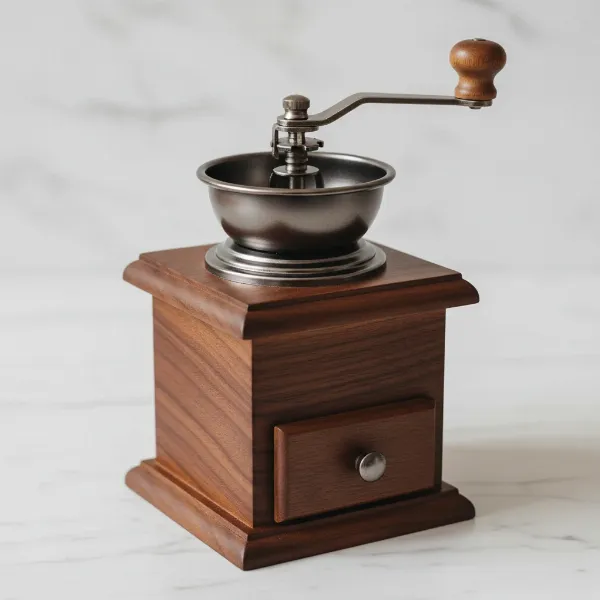
Each morning, millions embark on a ritual, brewing their favorite coffee, savoring the aroma and taste. But what happens to the remnants of this beloved beverage—the spent coffee grounds and the often-overlooked coffee chaff? Far from being mere waste, these byproducts hold incredible potential for sustainable living, offering surprising benefits for your garden, home, and even your pets. This guide will explore innovative ways to transform your coffee waste into valuable resources, helping you embrace a more eco-friendly lifestyle.
Understanding Coffee Waste: Grounds and Chaff
Before diving into recycling methods, it’s helpful to understand the two main types of coffee waste we’re discussing: coffee grounds and coffee chaff.
Coffee Grounds
|
Our Picks for the Best Coffee grinder in 2026
As an Amazon Associate I earn from qualifying purchases.
|
||
| Num | Product | Action |
|---|---|---|
| 1 | Cuisinart Coffee Grinder, One Touch Control Coffee Bean Grinder with Stainless Steel Bowl and Blades, 2.5 oz/70g Capacity Enough for 12 Cups, On/Off Switch with Safety Interlock, DCG-20BKN, Black |

|
| 2 | SHARDOR Professional Conical Burr Coffee Grinder, Coffee Bean Grinder with 48 Grind Settings for Espresso, Drip & French Press, Upgraded Anti-Static Technology, Precision Timer, Stainless Steel |
|
| 3 | Wancle Electric Coffee Grinder, Spice Grinder, One Touch Coffee Mill for Beans, Spices and More, with Clean Brush Black |
|
| 4 | OXO Brew Conical Burr Coffee Grinder - Silver, Stainless Steel Burrs, One-Touch Automatic Smart Grind |
|
| 5 | Hamilton Beach Custom Grind Electric Coffee Grinder for 4-14 Cups, One-Press Hand-Free Operation with Auto Shutoff, Removable Grinding Bowl For Easy Pour and Clean, Stainless Steel (80406) |
|
| 6 | Amazon Basics Electric Coffee Grinder, Coffee Bean and Spice Grinder, With Heavy-Duty Stainless Steel Grind Blades |
|
| 7 | Automatic Coffee Machine, 20-Bar Pressure Espresso Maker with Built-in Grinder, 15-Precision Settings, One-Touch Latte & Cappuccino System, Smart Self-Cleaning |
|
| 8 | Cuisinart Coffee Grinder, Electric One-Touch Automatic Burr Coffee Grinder with 18-Position Grind Selector, Cup Size Selector for 4 – 18 Cups, DBM-8P1, Black Stainless |
|
| 9 | BLACK+DECKER One Touch Coffee Grinder, 2/3 Cup Coffee Bean Capacity, Spice Grinder, One Touch Push-Button Control -150 Watts -Stainless Steel Blades |
|
| 10 | Hamilton Beach Fresh Grind Electric Coffee Grinder for Beans, Spices and More, Stainless Steel Blades, Removable Chamber, Makes up to 12 Cups, Black |
|
These are the most common form of coffee waste, the granular residue left behind after brewing. Rich in various minerals, nitrogen, and a slightly acidic pH, spent coffee grounds are a powerhouse of potential for numerous applications beyond the coffee pot. They retain some of the robust aroma that many find appealing, even after their primary use.
Coffee Chaff
Less commonly known to the average coffee drinker, coffee chaff is a fascinating byproduct of the coffee roasting process. It’s the thin, papery skin that detaches from the coffee bean as it expands under heat. Extremely light and fluffy, chaff is often collected by coffee roasters in large quantities. This delicate material is also surprisingly nutrient-rich, making it another valuable resource for sustainable practices.
Creative Ways to Reuse Coffee Grounds
Your daily coffee grounds can find a second life in many surprising ways, particularly in gardening and around the home.
In the Garden
Coffee grounds are a gardener’s best friend, offering a wealth of benefits for soil and plants. They are a fantastic source of nitrogen, a crucial nutrient for healthy plant growth, which makes them an excellent organic fertilizer. Beyond enriching the soil, coffee grounds can also help to decrease harmful heavy metals in the soil, creating a healthier environment for your greenery.
Many gardeners also appreciate coffee grounds for their pest-repelling qualities. Slugs and snails, for instance, are deterred by the coarse texture and acidity. Similarly, the natural compounds in coffee are toxic to mosquitoes, fruit flies, and other common garden pests, making grounds a natural and effective repellent. Some studies even suggest that burning dry coffee grounds can help keep mosquitoes at bay, though opinions vary on its effectiveness. When incorporated into compost, they break down slowly, releasing nutrients over time and contributing to a balanced, healthy compost pile. Additionally, spreading a thin layer can act as a weed suppressor, helping your desired plants thrive. While coffee grounds are often said to attract beneficial worms, it’s worth noting that high concentrations of caffeine can be detrimental to some species. Moderation and proper composting are key to harnessing their benefits without adverse effects.
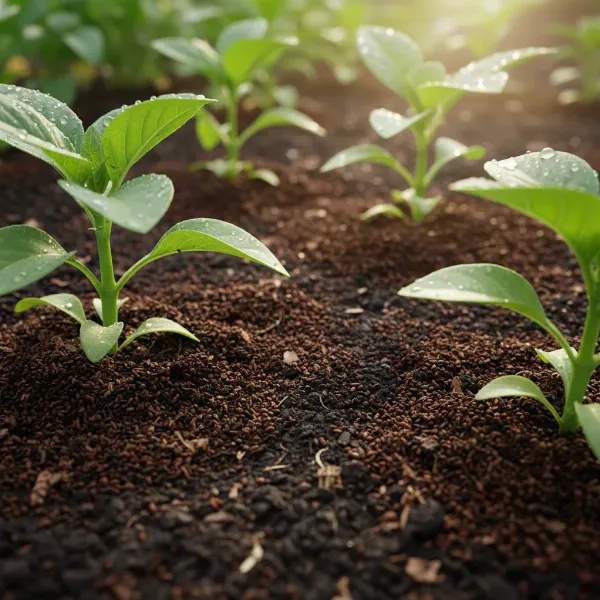 Coffee grounds spread around garden plants, deterring pests and enriching soil.
Around the House
Beyond the garden, coffee grounds prove useful for a variety of household tasks, leveraging their abrasive texture and odor-absorbing properties.
- Odor Neutralizer: Place a bowl of dry coffee grounds in your refrigerator or freezer to absorb unpleasant smells. The grounds’ porous nature effectively traps and neutralizes odors, leaving your appliance smelling fresh. For lingering smells on your hands after chopping garlic or onions, simply rub a small amount of grounds between your palms before rinsing, and the odor will vanish.
- Natural Abrasive Cleaner: The slightly abrasive texture of used coffee grounds makes them ideal for scrubbing tough grime off pots, pans, and even barbecues without harsh chemicals. Mix them with a little dish soap for an eco-friendly scouring paste.
- DIY Projects: For those who enjoy crafting, coffee grounds can be used to make natural candles, adding a warm, inviting coffee scent to your living space.
Pet Care
Surprisingly, coffee grounds can even play a role in pet care, offering a natural solution for a common nuisance. After shampooing your pet, you can rub a small amount of damp coffee grounds into their fur and then rinse thoroughly. The grounds can act as a natural flea repellent, leaving your furry friend smelling fresh and potentially free from pesky invaders. However, always exercise caution and consult with a vet, as coffee can be toxic to pets if ingested in large quantities.
Maximizing the Potential of Coffee Chaff
Coffee chaff, often seen as mere waste by roasteries, is another green treasure with significant environmental benefits, especially for gardening.
Chaff is exceptionally rich in both nutrients and nitrogen, making it an outstanding organic material for soil improvement. Its light and fluffy nature means it’s perfect for composting, adding valuable “brown” material that balances out wetter “green” waste. When mixed into garden beds, chaff significantly improves soil structure, enhancing aeration and drainage, which is vital for root health. It can also be spread as a light mulch, helping to retain soil moisture and regulate temperature. Many local coffee roasters are happy to give away their chaff for free, making it an accessible and sustainable resource for home gardeners and farmers alike.
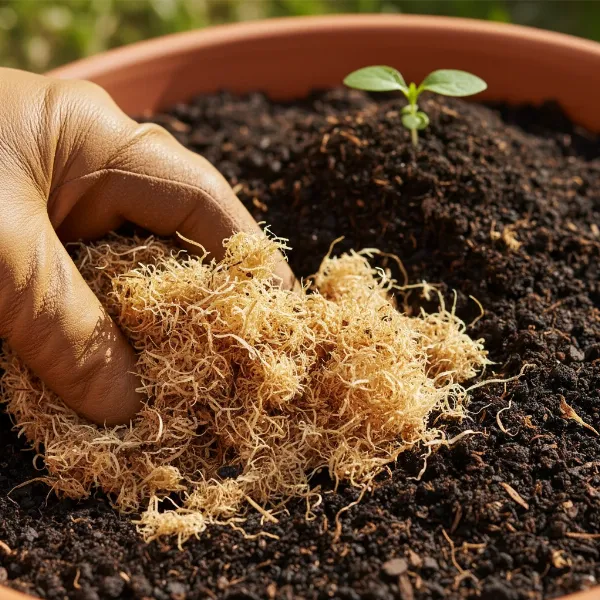 Light, papery coffee chaff being mixed into garden soil or used as mulch for plant growth.
Comparison: Coffee Grounds vs. Coffee Chaff
While both coffee grounds and chaff are excellent for recycling, they have distinct characteristics and best uses.
| Feature | Coffee Grounds | Coffee Chaff |
|---|---|---|
| Source | Residue after brewing coffee | Papery skin separated during roasting |
| Texture | Granular, denser | Light, airy, papery, fluffy |
| Key Nutrients | Nitrogen, phosphorus, potassium, micronutrients | Nitrogen, organic matter, carbon |
| Primary Garden Use | Fertilizer, pest deterrent, soil conditioner | Compost additive, soil aerator, mulch |
| pH Level | Slightly acidic to neutral (after brewing) | Generally neutral |
| Availability | From home brewing, coffee shops | From coffee roasteries |
| Other Uses | Odor neutralizer, abrasive cleaner, pet repellent | Limited direct household uses |
Best Practices for Recycling Coffee Waste
To get the most out of your coffee grounds and chaff, consider these best practices:
- Dry Before Storage: Always dry coffee grounds thoroughly before storing them to prevent mold growth, especially if you plan to use them over time. Spread them out on a baking sheet or newspaper until completely dry.
- Compost Correctly: When adding coffee grounds to compost, mix them with a good balance of “brown” materials like leaves or shredded paper. This helps maintain an optimal carbon-to-nitrogen ratio. Coffee chaff is an excellent “brown” material itself.
- Use in Moderation: While beneficial, extreme quantities of coffee grounds can alter soil pH or, in rare cases, attract unwanted pests if not properly integrated. Apply them in moderation and observe your plants’ reactions.
- Check Plant Compatibility: Most acid-loving plants (like blueberries, azaleas, rhododendrons, and hydrangeas) thrive with coffee grounds. However, research specific plant needs to ensure they will benefit from a slightly more acidic soil environment.
- Embrace Moldy Grounds: Don’t discard moldy coffee grounds! If the mold is white, it’s typically a sign of beneficial fungi breaking down organic matter, making them perfectly safe and still beneficial for your compost or garden. Avoid grounds with black mold, though, as that can indicate harmful pathogens.
Conclusion
From your morning brew to a flourishing garden and a fresh-smelling home, coffee grounds and chaff offer a surprisingly versatile array of uses. By understanding their unique properties and adopting simple recycling practices, you can significantly reduce waste and embrace a more sustainable lifestyle. It’s a small change with a considerable positive impact, transforming what was once trash into valuable resources. What small step will you take today to give your coffee waste a second life?
Frequently Asked Questions
Are coffee grounds good for all plants?
While many plants, especially acid-loving varieties like blueberries, roses, and hydrangeas, benefit from coffee grounds, some plants prefer alkaline soil and may not thrive with added acidity. Always research the specific needs of your plants.
Can you put moldy coffee grounds in the garden?
Yes, you can often use moldy coffee grounds in the garden, particularly if the mold is white and fluffy, as this indicates beneficial fungi. However, avoid grounds with black or green mold, which could indicate harmful pathogens.
How often should I use coffee grounds in my garden?
For general enrichment, applying a thin layer of coffee grounds every few weeks, or incorporating them into your compost, is usually sufficient. Avoid over-applying, as too much can alter soil pH or nutrient balance.
What is the difference between coffee grounds and coffee chaff?
Coffee grounds are the spent coffee particles left after brewing, rich in nitrogen and other minerals. Coffee chaff is the papery outer skin of the coffee bean that comes off during the roasting process, also nutrient-rich and excellent for aeration and composting.