Hey there, fellow coffee lover, Alex here from Coffee Grinder Choice. Let’s talk about something that’s quietly sabotaging amazing coffee in kitchens all over the world. You’ve sourced the perfect beans, dialed in your brew method, and yet… something’s off. That bright, fruity note is muted, or worse, there’s a hint of bitterness that shouldn’t be there. The culprit is often the unsung hero of your setup: your grinder. This brings us to the million-dollar question: How Often Should You Clean Your Coffee Grinder to ensure every cup is as brilliant as the last? Let’s dive in.
The truth is, a dirty grinder is a flavor killer. It’s not just about getting rid of a few stray grounds. Over time, coffee beans leave behind a significant amount of oil. When those oils are exposed to air, they oxidize and become rancid. This rancidity infuses every new batch of beans you grind, imparting stale, bitter, and unpleasant flavors into what should be a delicious brew.
Why Bother Cleaning Your Grinder in the First Place?
You might be thinking, “It’s just coffee going through it, what’s the big deal?” I get it. Cleaning can feel like a chore. But trust me on this, a regular cleaning routine is one of the single most impactful things you can do to elevate your coffee game. It’s as important as using fresh water or buying quality beans.
Here’s exactly why a clean grinder is non-negotiable:
- Purity of Flavor: This is the big one. Those rancid oils I mentioned? They will completely overpower the delicate, complex notes of your specialty coffee. You paid for a Gesha with jasmine and bergamot notes, not the taste of stale, month-old coffee oil.
- Grind Consistency: Coffee grounds and oils can build up around the burrs or blades, creating blockages. This leads to an inconsistent grind size, which is a one-way ticket to an uneven extraction and a disappointing cup. Some grounds will be over-extracted (bitter), and some will be under-extracted (sour).
- Switching Beans Seamlessly: Love to explore different coffees? If you grind a dark, oily Sumatran roast and then switch to a light, delicate Ethiopian without cleaning, your new beans will be tainted by the old ones. A clean grinder gives every coffee a fresh start.
- Longer Grinder Lifespan: Buildup puts extra strain on your grinder’s motor. Over time, this can lead to overheating and premature wear and tear. Regular maintenance is a small price to pay to protect your investment.
|
Our Picks for the Best Coffee Grinder in 2026
As an Amazon Associate, we earn from qualifying purchases.
|
||
| Num | Product | Action |
|---|---|---|
| 1 | 4 IN 1 Single Serve Coffee Maker with Milk Frother and Coffee Grinder, Coffee Maker for K Cup and Ground Coffee, with 30 oz Removable Water Reservoir, 6 to 14 oz. Brew Sizes, Coffee Machine for Home |

|
| 2 | SHARDOR Electric Burr Coffee Grinder 2.0, Adjustable Burr Mill with 16 Precise Grind Setting for 2-14 Cup, Black |
|
| 3 | Burr Coffee Grinder, Adjustable Coffee Bean Grinder Electric with 14 Grinding Settings,2-12 Cups for Espresso, Drip Coffee and French Press |
|
| 4 | TIMEMORE C5 Pro Manual Coffee Grinder Capacity 30g with CNC Stainless Steel Conical Burr - Internal Adjustable Setting,Double Bearing Positioning (C5 Pro Matte Black) |
|
| 5 | Cuisinart Coffee Grinder, Electric One-Touch Automatic Burr Coffee Grinder with 18-Position Grind Selector, Cup Size Selector for 4 – 18 Cups, DBM-8P1, Black Stainless |
|
| 6 | BLACK+DECKER One Touch Coffee Grinder, 2/3 Cup Coffee Bean Capacity, Spice Grinder, One Touch Push-Button Control -150 Watts -Stainless Steel Blades |
|
| 7 | Portable Electric Coffee Grinder, Upgraded External Adjustable 40 Levels Fine to Coarse Settings, Stainless Steel Conical Burr Rechargeable and Faster Grinding for Office,Home,Camping,Travel,Black |
|
| 8 | Mini Manual Coffee Grinder with 40 Adjustable Settings, Portable Hand Coffee Bean Mill with 30g Capacity, Conical Burr Coffee Grinder with Crank for Travel, Camping, Office, Espresso, Pour Over, etc |
|
| 9 | V6 Pro Portable Coffee Grinder Electric, 60 Grind Settings USB-C Rechargeable, 4400mAh for Espresso to Cold Brew, Wireless Rechargeable Coffee Grinders for Travel, Camping, Office |
|
| 10 | Hamilton Beach Custom Grind Electric Coffee Grinder for 4-14 Cups, One-Press Hand-Free Operation with Auto Shutoff, Removable Grinding Bowl For Easy Pour and Clean, Stainless Steel (80406) |
|
The Big Question: How Often Should You Clean Your Grinder?
Alright, let’s get down to brass tacks. There isn’t a single, one-size-fits-all answer, as the ideal frequency depends on your usage, the type of beans you use, and the type of grinder you own. But we can establish some excellent rules of thumb.
What is the recommended cleaning frequency for a coffee grinder?
For the average home user who grinds coffee daily, a quick clean is recommended once a week, and a deep clean should be performed every month. This schedule prevents the significant buildup of rancid oils and fine coffee particles that negatively impact flavor and grinder performance.
For the Daily Home Barista
If you’re like me and a fresh-ground cup is a non-negotiable part of your morning ritual, you’re putting your grinder through its paces.
- Quick Clean (Weekly): Every week, take a few minutes to brush out the burrs, the chute, and the grounds bin. If your grinder has a bellows, use it to puff out any retained grounds. This simple step prevents the immediate buildup of fines.
- Deep Clean (Monthly): Once a month, it’s time for a proper spa day for your grinder. This involves disassembly (as much as you’re comfortable with), a thorough brushing of the burrs, and using specialized grinder cleaning tablets.
For the Occasional Coffee Drinker
If you only grind beans a few times a week, you can stretch this out a bit.
- Quick Clean (Every 2 Weeks): A bi-weekly brushing will suffice to keep things in order.
- Deep Clean (Every 2-3 Months): You aren’t accumulating oils as quickly, so a deep clean every quarter or so is perfectly fine.
A key factor is the type of bean. If you frequently use dark, oily roasts, you’ll need to clean more often, as they leave behind much more residue than lighter roasts.
“The most common issue I see that ruins a perfectly good coffee experience is rancid oil buildup in a grinder. A customer will spend a fortune on high-end beans and a great espresso machine, but neglect the grinder. It’s like serving a gourmet meal on a dirty plate. Cleaning isn’t optional; it’s a fundamental step in the brewing process.”
— Isabella Rossi, Certified Q Grader and Equipment Technician
The Ultimate Guide to Cleaning Your Coffee Grinder
Ready to get your hands dirty? Not really, it’s actually a pretty clean process. Here’s how to do it right.
The Quick Clean (The Weekly Ritual)
This should take less than five minutes.
- Unplug It: Safety first! Always unplug your grinder before you start cleaning.
- Empty It Out: Remove the hopper and the grounds bin. Get rid of any beans or grounds.
- Brush and Blow: Use a stiff-bristled brush (many grinders come with one) to vigorously brush the burrs/blades and the exit chute. If you have a camera lens air blower or a grinder bellows, use it to blow out any stubborn, fine particles.
- Wipe Down: Use a dry cloth to wipe down the exterior and the grounds bin.
- Reassemble: Put it all back together. You’re ready for another week of delicious coffee.
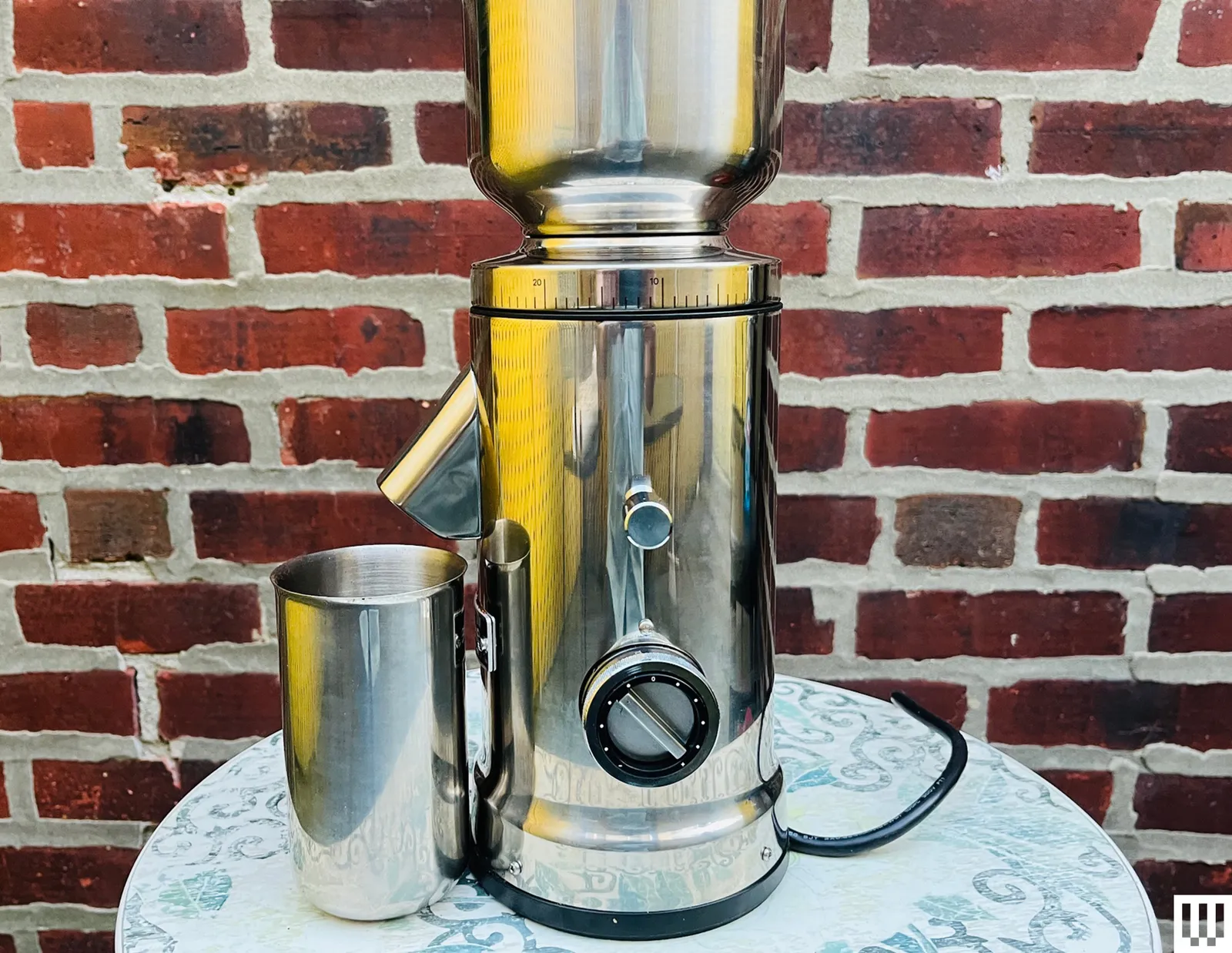
The Deep Clean (The Monthly Deep Dive)
This is the real reset button for your grinder’s performance.
- Safety First: Unplug the grinder. No exceptions.
- Disassemble: Remove the hopper and grounds bin. Depending on your model (most burr grinders make this easy), remove the outer burr. Consult your user manual if you’re unsure how. Never fully disassemble the inner workings unless you are an expert.
- Brush Everything: Now that you have access, use your brush to thoroughly clean both the removable and fixed burrs. Get into all the nooks and crannies where old grounds hide. A vacuum cleaner with a small nozzle attachment is your best friend here for sucking up all the dislodged particles.
- Use Grinder Cleaner: Reassemble the burrs. Pour a capful of specialized grinder cleaning tablets (made from food-safe, grain-based materials) into the empty hopper. Grind them through completely, just as you would with coffee beans. These pellets are brilliant at absorbing oils and dislodging old grounds.
- Purge the Grinder: The cleaning tablet residue can affect your next cup, so you need to purge it. Grind a small amount of old or inexpensive beans (about 15-20 grams) and discard the grounds. This will remove any leftover cleaner dust.
- Final Wipe Down: Give everything a final wipe with a dry cloth.
Common Cleaning Mistakes to Avoid
- Never Use Water: Water is the mortal enemy of your grinder’s metal components, especially the burrs. It will cause rust almost immediately and ruin your grinder.
- Don’t Use Uncooked Rice: This is a controversial “hack” you might see online. Don’t do it. Uncooked rice is much harder than coffee beans and can put immense strain on your grinder’s motor, potentially breaking it. The starches in rice can also create a gummy residue. Stick to products designed for the job.
- Forgetting to Re-Calibrate: After reassembling your grinder, especially an espresso grinder, you may need to dial in your grind setting again. Grind a small amount of your regular beans to check if the size is correct before brewing.
Frequently Asked Questions
Q: Can I really not use rice to clean my coffee grinder?
A: Please don’t. While it might seem like a cheap alternative, uncooked rice is significantly harder than coffee beans and can damage your burrs or overwork the motor. The starchy dust it creates can also be difficult to remove. Grinder-specific cleaning tablets are designed to be the same hardness as coffee and are much safer for your machine.
Q: Are grinder cleaning tablets really necessary?
A: While a thorough brushing and vacuuming do a lot, they can’t effectively remove the hardened, caked-on oils. The cleaning tablets are formulated to absorb these oils and scrub the burrs in a way a brush simply can’t. They are essential for a true deep clean.
Q: How do I clean a manual coffee grinder?
A: The process is very similar and often easier! Disassemble the grinder by unscrewing the adjustment knob and handle. You can then remove the inner and outer burrs. Use a stiff brush to clean all the components thoroughly. Since it’s simpler and there’s no motor, you can perform this deep clean more frequently with ease.
Q: What is that stale smell coming from my grinder?
A: That smell is the signature scent of rancid coffee oils. It’s a clear and urgent signal that your grinder is long overdue for a deep cleaning. Once you clean it properly, that smell will disappear, and the aroma of fresh coffee will return.
Q: Will cleaning my grinder change my grind settings?
A: Yes, it can. Removing the buildup of coffee fines can slightly alter the distance between the burrs, which in turn affects your grind size. After a deep clean, it’s always a good idea to grind a small test batch of coffee to see if you need to adjust your settings to get back to your sweet spot.
Your Grinder is the Foundation of Great Coffee
Investing in a quality coffee grinder is a huge step towards better brewing, but maintaining it is what truly unlocks its potential. Figuring out how often you should clean your coffee grinder and sticking to that schedule is not a tedious chore; it’s an act of respect for the beans, the equipment, and your own taste buds. It’s the simple secret that separates a good cup from a truly unforgettable one.
So, what’s your cleaning routine? Have you noticed a big difference in flavor after a deep clean? Share your experiences in the comments below—let’s help each other brew better coffee.