Hey there, Alex here from Coffee Grinder Choice! Let’s talk about the unsung hero of your morning ritual. It’s not the fancy espresso machine or the artisanal, single-origin beans (though they’re important!). It’s the humble coffee grinder. Learning How To Use A Coffee Grinder correctly is the single biggest leap you can make from a decent cup of coffee to a mind-blowingly great one. Think of it as the conductor of an orchestra; without it, all the best instruments are just making noise. Ready to unlock the full potential of your coffee beans? Let’s dive in.
Why a Good Coffee Grinder Is a Game-Changer
Before we get into the “how,” let’s quickly cover the “why.” Why can’t you just use pre-ground coffee or a cheap whirly-blade thing? It boils down to two key things: freshness and consistency.
- Freshness: The moment you grind coffee, it starts to lose its aromatic oils and volatile compounds—the very things that give it that incredible flavor and aroma. Grinding right before you brew captures that peak freshness. It’s the difference between eating a freshly baked loaf of bread and one that’s been sitting on the shelf for a week.
- Consistency: This is the big one. Proper coffee extraction requires water to pass through the coffee grounds evenly. If your grounds are a mix of fine dust and large chunks (a common problem with blade grinders), the water will over-extract the dust (making it bitter) and under-extract the chunks (making it sour). A good grinder produces uniform particles, leading to a balanced, delicious extraction every single time.
|
Our Picks for the Best Coffee Grinder in 2026
As an Amazon Associate, we earn from qualifying purchases.
|
||
| Num | Product | Action |
|---|---|---|
| 1 | V6 Pro Portable Coffee Grinder Electric, 60 Grind Settings USB-C Rechargeable, 4400mAh for Espresso to Cold Brew, Wireless Rechargeable Coffee Grinders for Travel, Camping, Office |

|
| 2 | Cuisinart Coffee Grinder, Electric One-Touch Automatic Burr Coffee Grinder with 18-Position Grind Selector, Cup Size Selector for 4 – 18 Cups, DBM-8P1, Black Stainless |
|
| 3 | Portable Electric Coffee Grinder, Upgraded External Adjustable 40 Levels Fine to Coarse Settings, Stainless Steel Conical Burr Rechargeable and Faster Grinding for Office,Home,Camping,Travel,Black |
|
| 4 | TIMEMORE C5 Pro Manual Coffee Grinder Capacity 30g with CNC Stainless Steel Conical Burr - Internal Adjustable Setting,Double Bearing Positioning (C5 Pro Matte Black) |
|
| 5 | 4 IN 1 Single Serve Coffee Maker with Milk Frother and Coffee Grinder, Coffee Maker for K Cup and Ground Coffee, with 30 oz Removable Water Reservoir, 6 to 14 oz. Brew Sizes, Coffee Machine for Home |
|
| 6 | Hamilton Beach Custom Grind Electric Coffee Grinder for 4-14 Cups, One-Press Hand-Free Operation with Auto Shutoff, Removable Grinding Bowl For Easy Pour and Clean, Stainless Steel (80406) |
|
| 7 | BLACK+DECKER One Touch Coffee Grinder, 2/3 Cup Coffee Bean Capacity, Spice Grinder, One Touch Push-Button Control -150 Watts -Stainless Steel Blades |
|
| 8 | Burr Coffee Grinder, Adjustable Coffee Bean Grinder Electric with 14 Grinding Settings,2-12 Cups for Espresso, Drip Coffee and French Press |
|
| 9 | SHARDOR Electric Burr Coffee Grinder 2.0, Adjustable Burr Mill with 16 Precise Grind Setting for 2-14 Cup, Black |
|
| 10 | Mini Manual Coffee Grinder with 40 Adjustable Settings, Portable Hand Coffee Bean Mill with 30g Capacity, Conical Burr Coffee Grinder with Crank for Travel, Camping, Office, Espresso, Pour Over, etc |
|
What Are the Different Types of Coffee Grinders?
When you start looking, you’ll see two main categories: burr grinders and blade grinders. Honestly, it’s not much of a competition, but it’s crucial to understand the difference.
Burr Grinders: The Champion of Consistency
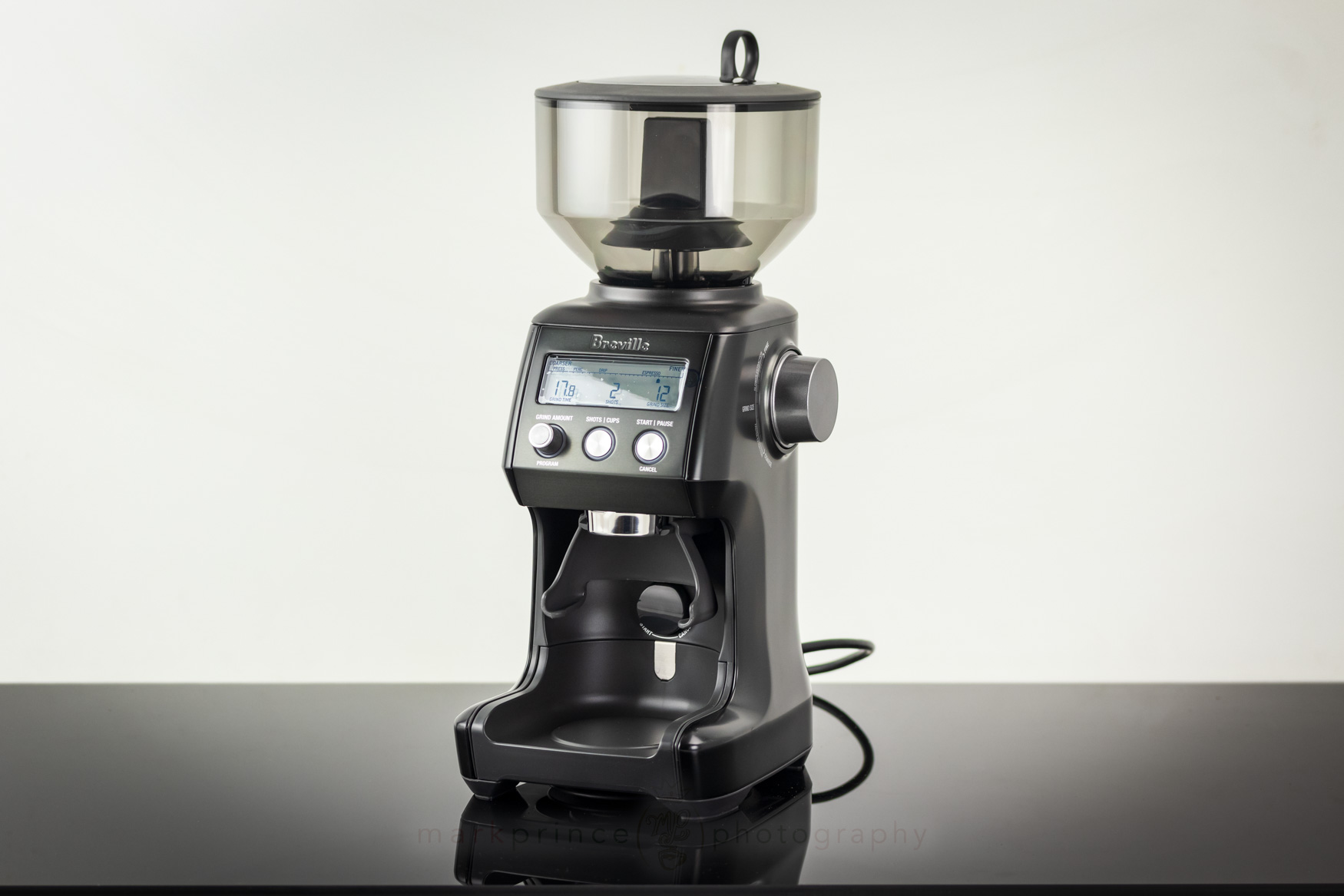
A burr grinder uses two revolving abrasive surfaces (the burrs) to crush and grind the beans into a uniform size. Think of a pepper mill. You can adjust the distance between the burrs to get a precise, consistent grind, from coarse for French Press to ultra-fine for Turkish coffee.
- Conical Burrs: Cone-shaped burrs that are great at reducing heat and noise. They are excellent all-rounders, fantastic for everything from drip to espresso.
- Flat Burrs: Two parallel, donut-shaped burrs that trap and crush the beans. They are known for producing an exceptionally uniform grind, making them the top choice for espresso aficionados.
Blade Grinders: The Budget-Friendly Bruiser
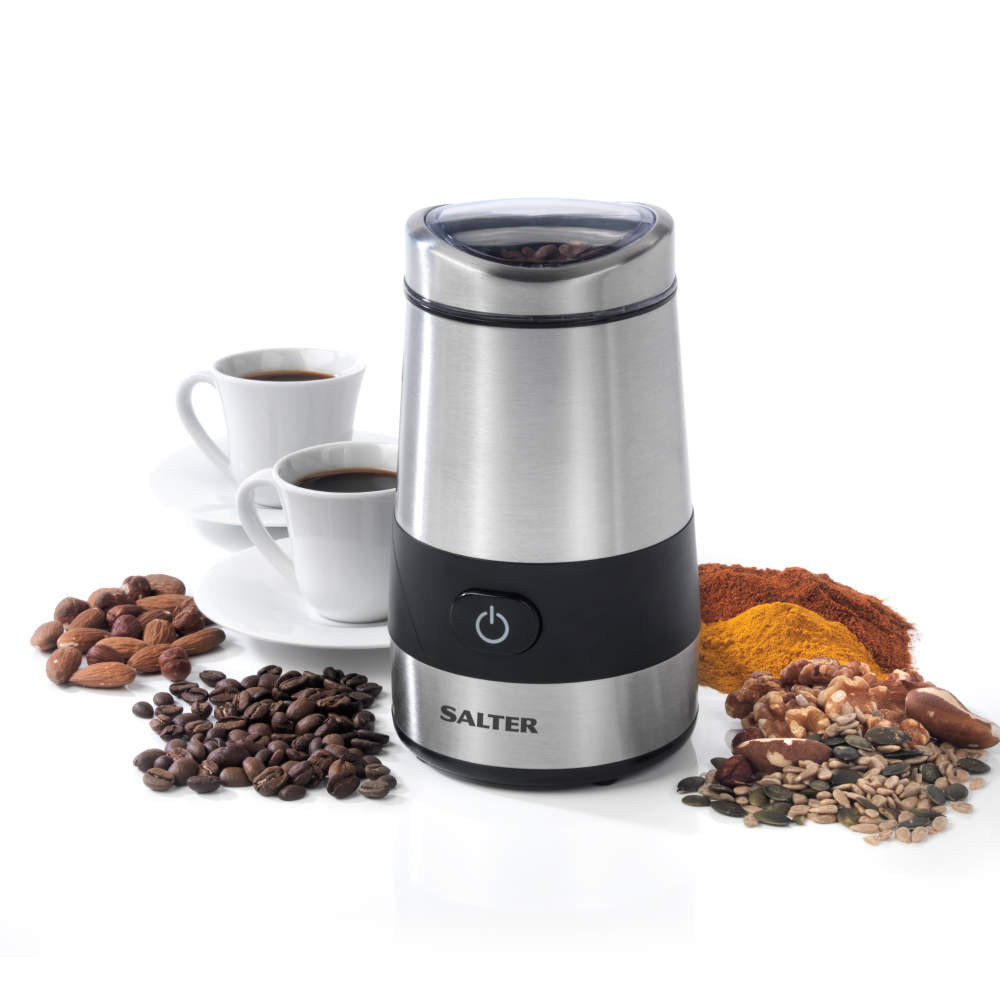
A blade grinder doesn’t actually grind; it smashes. It has a spinning blade at the bottom, much like a blender, that chops the beans into bits. The longer you run it, the finer the “grind.” The problem? It produces a wildly inconsistent mix of powder and boulders, leading to that uneven extraction we talked about. It’s better than pre-ground, but only just.
Here’s a quick cheat sheet:
| Feature | Burr Grinder | Blade Grinder |
|---|---|---|
| Mechanism | Crushes beans between two burrs | Chops beans with a spinning blade |
| Grind Consistency | Very high and uniform | Low and inconsistent |
| Control | Precise settings for different brew methods | Inaccurate, based on time |
| Heat Generation | Low | High (can scorch the beans) |
| Price | Higher | Lower |
| Best For | Anyone serious about coffee quality | Beginners on a very tight budget |
Your Step-by-Step Guide on How to Use a Coffee Grinder
Alright, you’ve got your grinder. Now for the fun part! Whether it’s a manual hand grinder or a high-tech electric one, the core principles are the same.
- Measure Your Beans: Don’t just guess! The secret to a consistent brew is a consistent recipe. A good rule of thumb is a 1:15 to 1:17 coffee-to-water ratio. For a standard 12-ounce (340g) mug, you’ll want about 20-22 grams of whole beans. Use a digital kitchen scale for the best results.
- Select Your Grind Size: This is the most critical step. Your grind size depends entirely on your brewing method.
- Extra Coarse: Like cracked peppercorns. Perfect for Cold Brew.
- Coarse: The texture of coarse sea salt. Ideal for French Press.
- Medium-Coarse: Reminiscent of rough sand. Use this for a Chemex.
- Medium: The consistency of table salt. This is your go-to for drip coffee makers and pour-over methods like the V60.
- Medium-Fine: Slightly smoother than table salt. Great for Aeropress or cone-shaped pour-overs.
- Fine: Like powdered sugar. This is espresso territory. You need this fineness to create the pressure required for a proper shot.
- Add Beans to the Hopper: Pour your measured beans into the grinder’s hopper. Avoid grinding more than you need for your immediate brew to maximize freshness.
- Grind Those Beans! Turn it on or start cranking. If you’re using an electric grinder, it’s usually a quick process. For manual grinders, it’s a satisfying little workout. Grind until all the beans have passed through the burrs.
- Transfer and Brew: Gently tap the side of the grinder to loosen any grounds clinging to the sides due to static. Transfer your beautifully fresh and consistent grounds to your brewer and start your brewing process immediately.
“Dialing in your grind is a conversation between you and your coffee. Don’t just set it and forget it. A new bag of beans, a change in humidity—it all affects the perfect setting. Taste, adjust, and taste again. That’s the journey.” – Isabella Rossi, Certified Q Grader and Barista Champion
Keeping Your Grinder in Tip-Top Shape
A grinder is an investment, and like any good tool, it needs a little TLC to perform its best and last for years.
- Regular Cleaning (Weekly): After every few uses, or at least once a week, brush out any lingering grounds and chaff from the hopper, burrs, and collection bin. A stiff, small brush is perfect for this.
- Deep Cleaning (Monthly): Unplug the grinder and disassemble the burrs (check your manual for instructions). Use your brush to get all the old coffee particles and oils off the burrs themselves. Never use water on your burrs, as it can cause them to rust.
- Use Grinder Cleaners: For an even deeper clean, you can run special grinder-cleaning tablets (made from food-safe, grain-based materials) through the machine. Alternatively, a handful of plain, uncooked white rice can do the trick in a pinch, but check your manufacturer’s warranty first, as some advise against it.
Common Mistakes to Avoid When Using a Coffee Grinder
I’ve seen it all, and these are the most common slip-ups that can stand between you and a perfect cup.
- Grinding Too Far in Advance: This defeats the whole purpose! Only grind what you’re about to brew.
- Using the Wrong Grind Size: Using a French Press grind for your espresso machine will result in a watery, fast shot. Using an espresso grind in your French Press will lead to a muddy, bitter, over-extracted mess. Match the grind to the brew.
- Not Measuring Your Beans: “Eyeballing it” is the enemy of consistency. A scale is a coffee lover’s best friend.
- Forgetting to Clean It: Old, rancid coffee oils will build up and impart a nasty, stale flavor to your fresh coffee. Keep it clean!
Frequently Asked Questions About Coffee Grinders
Q: How long do coffee grinders last?
A: A quality burr grinder can last for many years with proper care. The burrs themselves will eventually wear down after grinding hundreds of pounds of coffee, but for most home users, this takes 5-10 years. They can often be replaced.
Q: Can I use a blade grinder for espresso?
A: In short, no. Blade grinders cannot produce the fine, consistent grind required to build enough pressure for a true espresso extraction. You will get a weak, under-extracted shot.
Q: Is a manual or electric grinder better?
A: It depends on your needs! Electric grinders are fast and convenient. Manual grinders are portable, silent, and offer incredible grind quality for the price, but they require some elbow grease.
Q: What’s that popping sound when I grind light roast beans?
A: That’s completely normal! Lighter roast beans are harder and denser than dark roasts. The popping is just the burrs working a little harder to crush them.
Q: Why are my coffee grounds staticky?
A: Static is a common issue, especially with electric grinders in dry conditions. A simple trick is to add a single drop of water to your beans and stir them before grinding. This is known as the Ross Droplet Technique (RDT) and it works wonders.
So there you have it. The grinder isn’t just another kitchen gadget; it’s the heart of your coffee setup. Taking the time to understand and master how to use a coffee grinder is your ticket to a world of flavor you might be missing out on. It’s a small step that makes a massive difference.
What’s your go-to grinder? Are you a manual enthusiast or an electric advocate? Share your experience in the comments below! Happy brewing.