Let’s be real for a second. You’ve invested in amazing coffee beans—they smell incredible, the roaster told you all about their origin, and you’re ready for that perfect cup. But when you brew it, something’s… off. It’s either disappointingly sour or aggressively bitter. Sound familiar? The unsung hero, or often the culprit, in this story is your grinder. Knowing exactly How To Adjust Burr Grinder Settings is the single most impactful skill you can learn to transform your home coffee game from mediocre to magnificent. It’s the difference between merely making coffee and truly crafting it.
Think of your grinder’s adjustment dial as the focus ring on a camera. A slight turn can bring the entire picture into sharp, stunning clarity. In this guide, we’re going to demystify that dial. We’ll walk through everything from finding your starting point to fine-tuning for specific brew methods, so you can confidently unlock the full flavor potential hidden inside every single bean.
Why Grind Size Is a Coffee Game-Changer
Before we touch the dial, we need to understand why we’re doing it. It all comes down to one word: extraction. Extraction is simply the process of water dissolving flavors from your coffee grounds. The size of those grounds dictates how fast this happens.
- Grind Too Coarse: The water flows through too quickly, not having enough time to grab all the good stuff. This results in under-extraction, and your coffee will taste sour, weak, and acidic.
- Grind Too Fine: The water struggles to get through, spending too much time with the grounds and pulling out unpleasant, bitter compounds. This is over-extraction, and your coffee will taste harsh, bitter, and astringent.
The sweet spot is a balanced extraction where you get all the delicious sweetness, acidity, and body the coffee has to offer, without any of the negative flavors. Your burr grinder is your primary tool for finding that sweet spot.
“I tell every new home brewer the same thing: your grinder is more important than your brewer. The ability to make precise, repeatable adjustments is the foundation of consistently great coffee.” – Isabella Chen, Professional Barista and Coffee Educator

Understanding Your Grinder: Stepped vs. Stepless
Most burr grinders fall into two categories for adjustment mechanisms. Knowing which one you have is key.
- Stepped Grinders: These have a set number of settings that “click” into place. They are fantastic for beginners because it’s easy to remember that your French Press setting is a “28” and your pour-over is a “16”. They offer consistency and ease of use.
- Stepless Grinders: These have no clicks. You can make infinite micro-adjustments between the finest and coarsest settings by turning a collar or dial smoothly. They offer ultimate precision, which is crucial for dialing in espresso, but can have a steeper learning curve.
Neither is inherently “better”—it’s about what suits your brewing style. But the principles of adjusting them are the same.
The Ultimate Guide: How to Adjust Burr Grinder Settings
Ready to get hands-on? Let’s dial it in. This process, often called “dialing in,” is about finding the perfect grind size for a specific coffee and brew method.
Step 1: Start Clean
Always start with a clean grinder. Old coffee grounds and oils can become rancid and will negatively impact the flavor of your fresh coffee, throwing off your taste test.
Step 2: Find Your “Zero Point” (Optional but Recommended)
Your grinder’s “zero point” is where the burrs are just touching. With the grinder empty and turned off, slowly adjust the setting finer until you feel or hear the slightest resistance. This is your true zero. Do not turn the grinder on at this setting. Back it off a couple of notches immediately. Now you have a true reference point for all your future adjustments.
Step 3: Start Coarser Than You Think You Need
It’s always better to make your first brew a little under-extracted (sour) than over-extracted (bitter). A sour cup is much more pleasant to taste-test than a harsh, bitter one. So, pick a setting that looks a little coarser than your target.
Step 4: Use a Scale
Consistency is everything. Use a coffee scale to weigh your beans before you grind them. This ensures you’re using the same amount of coffee for each test brew, removing a major variable.
Step 5: Grind a Small Dose
Grind just enough beans for one cup. As they grind, pay attention to the sound of the grinder. A finer grind will often have a higher-pitched sound.
Step 6: Observe and Feel the Grind
Once ground, take a pinch of the coffee between your fingers. Does it feel like coarse sand? Table salt? Powdered sugar? Get a feel for the texture. Look for uniformity—a good burr grinder should produce particles of a relatively consistent size.
Step 7: Brew, Taste, and Analyze
Now for the most important part. Brew your coffee, using a consistent technique. Let it cool for a minute or two, then taste it.
- Is it sour, thin, or lacking sweetness? Your grind is too coarse. The water ran through too quickly.
- Is it bitter, harsh, or drying (like black tea)? Your grind is too fine. The water took too long to pass through.
- Is it sweet, balanced, with a pleasant acidity and a clean finish? You’re in the sweet spot!
Step 8: Adjust and Repeat
Based on your taste analysis, make one small adjustment.
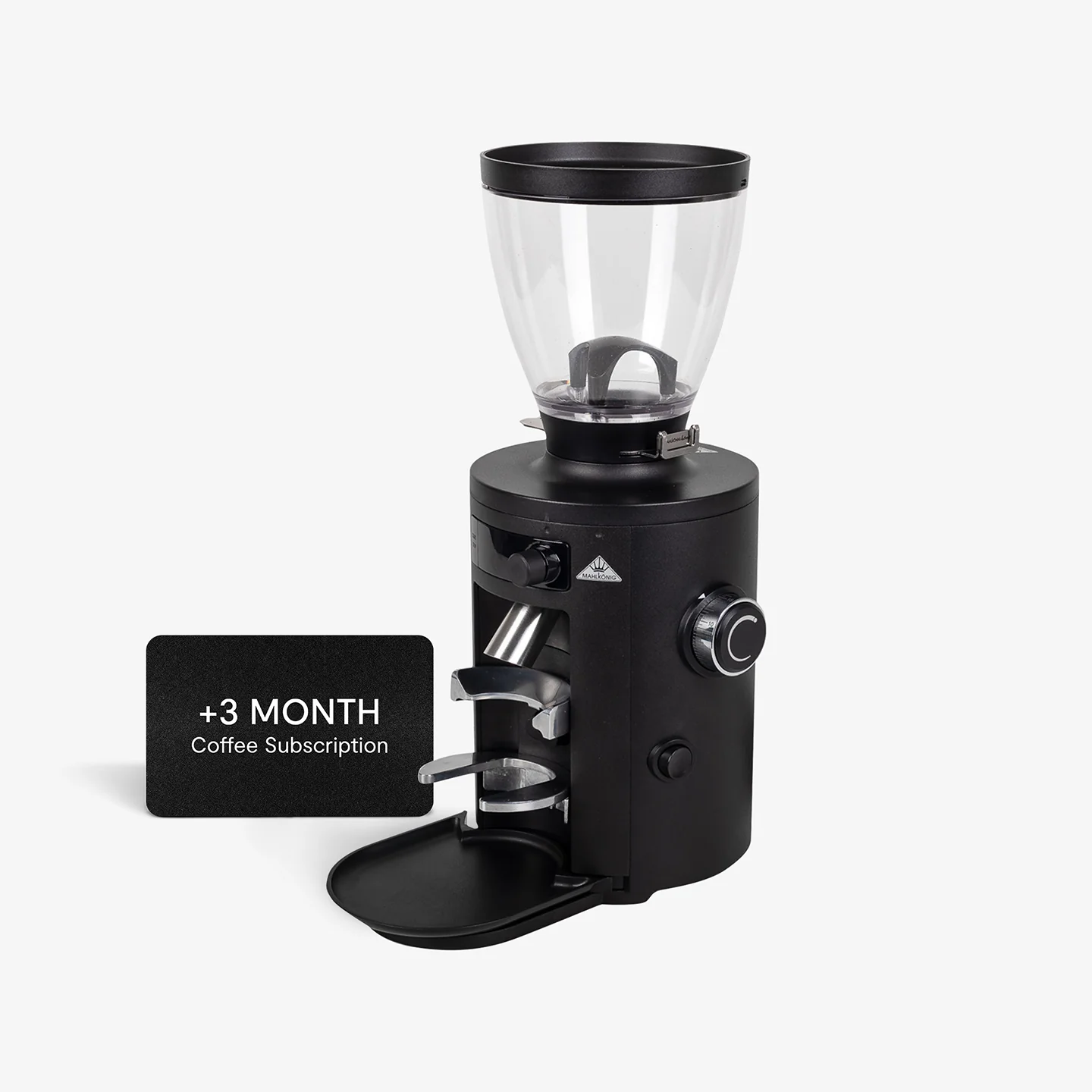
- If it was sour, move the dial to a finer setting.
- If it was bitter, move the dial to a coarser setting.
Brew again, using the exact same recipe. Repeat this process, making small, single adjustments until you hit that perfect balance. Congratulations, you’ve just dialed in your coffee!
Grind Size Cheat Sheet for Popular Brew Methods
While every coffee and grinder is different, here are some widely accepted starting points. Use these as a guide, and then use the “taste and adjust” method above to perfect it.
| Brew Method | Target Grind Size | Visual & Textural Cue |
|---|---|---|
| Cold Brew | Extra Coarse | Very chunky, like cracked peppercorns or coarse breadcrumbs. |
| French Press | Coarse | Chunky and distinct particles, similar to coarse sea salt. |
| Percolator / Cupping | Medium-Coarse | Looks and feels like rough or coarse sand. |
| Drip Coffee Makers | Medium | The consistency of regular table salt or granulated sugar. |
| Pour-Over (V60, Kalita) | Medium-Fine | A bit finer than table salt, more like fine sand. |
| AeroPress | Fine to Medium | Varies by recipe, but a common starting point is fine table salt. |
| Espresso | Fine | Very fine, slightly coarser than powdered sugar, with a little grit. |
Common Mistakes to Avoid When Adjusting Your Grinder
Learning how to adjust burr grinder settings also means learning what not to do. Avoid these common pitfalls:
- Adjusting While the Grinder is Off (with beans in the hopper): Many grinders can be damaged if you try to make a significant adjustment to a finer setting while beans are lodged between the burrs. It’s best practice to have the motor running when adjusting finer. Adjusting coarser is usually fine when off.
- Changing Too Many Variables at Once: Is it the grind size, the water temperature, or your pour rate? If you change everything at once, you’ll never know. Change only the grind size when dialing in.
- Forgetting Your Setting: Once you find the perfect setting for a specific bean and brew method, write it down! Use a small notebook or a note on your phone.
- Not Cleaning Your Grinder: As mentioned, old grounds will spoil the taste of fresh coffee. Clean your burrs regularly to ensure flavor purity. Want to learn how? Check out our in-depth [guide to cleaning your coffee grinder].
Frequently Asked Questions (FAQ)
What number should my burr grinder be on?
There is no universal number. The “10” on one grinder brand is completely different from a “10” on another. Use visual cues (like coarse sand, table salt) and the taste-and-adjust method to find the right setting for your specific machine.
Should I adjust my grinder when it’s empty or full?
For safety and to prevent damage, it’s best to adjust to a finer setting while the grinder is running and empty. Adjusting to a coarser setting is generally safe to do when the grinder is off, even with beans in the hopper.
How do I know if my coffee grind is too coarse?
Your coffee will likely taste sour, acidic, or “thin.” The brew time will also be very fast. It’s a sign of under-extraction, meaning the water didn’t have enough time to pull out the coffee’s sweetness to balance the natural acids.
How do I know if my coffee grind is too fine?
Your coffee will taste bitter, astringent, and hollow, lacking any sweetness. For methods like pour-over, the brew may stall or take an extremely long time to drain. This is a classic sign of over-extraction.
Why does my coffee taste bitter even with a burr grinder?
Bitterness is usually a sign of over-extraction. Your grind is likely too fine for your brew method. Try making your grind coarser. Other culprits could be water that is too hot or a brew time that is simply too long.
Your Journey to the Perfect Cup
Mastering how to adjust burr grinder settings isn’t about finding one “set it and forget it” number. It’s about developing a relationship with your coffee and your equipment. It’s an empowering skill that puts you in complete control of the final taste in your cup. Every new bag of beans is a new and exciting puzzle to solve.
So don’t be intimidated by that dial. Embrace it as your most powerful tool. Experiment, taste, and take notes. By investing a little time in dialing in your grind, you’re ensuring that every single cup of coffee you brew at home is the best it can possibly be. Now, go get grinding! We’d love to hear about your go-to grinder and favorite settings in the comments below.